IDEA Celebrates International Women’s Day with Energy, Stories, and Solidarity
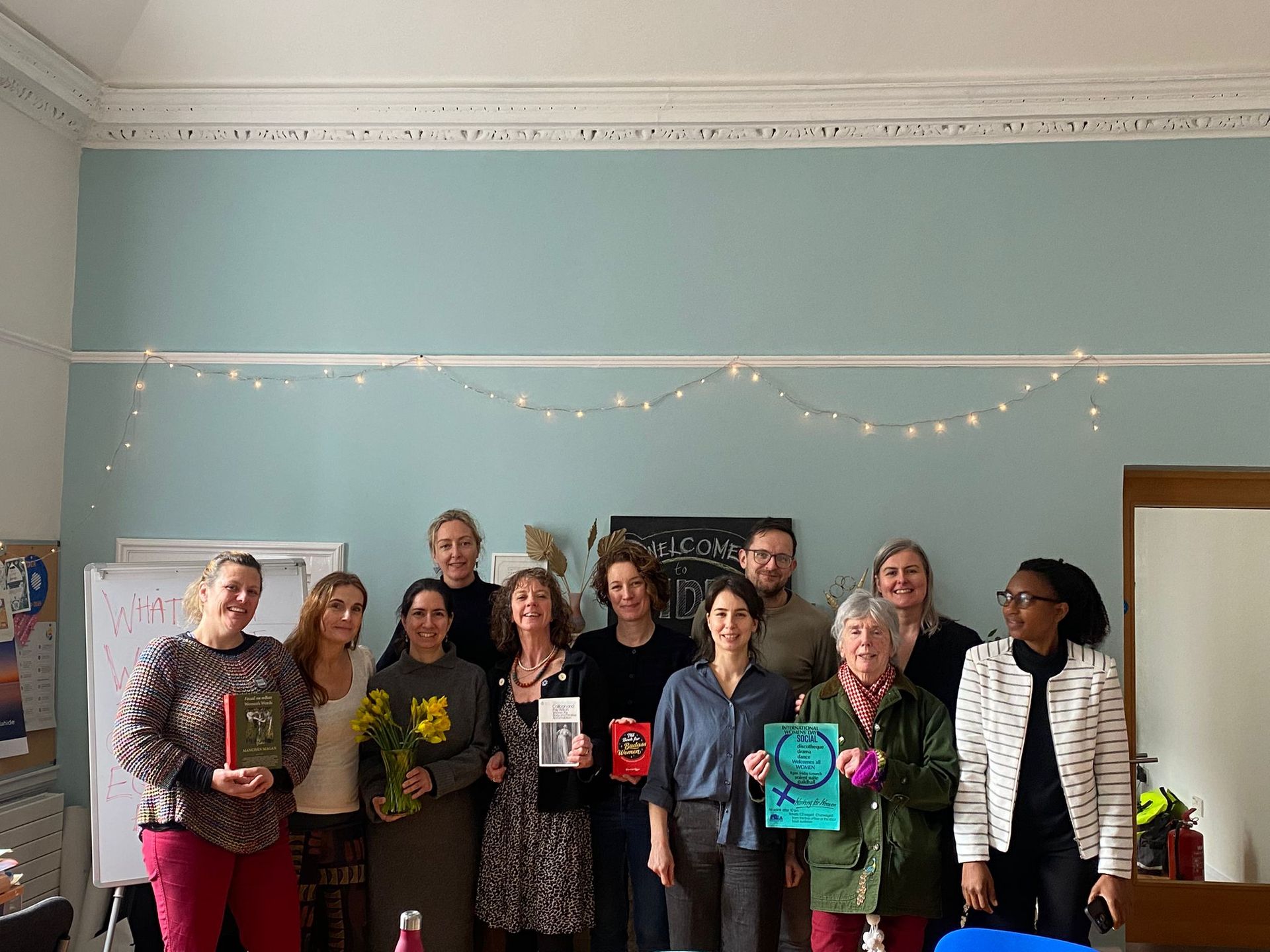
IDEA members gathered on Monday, 10 March, at the IDEA offices in Gardiner Row, Dublin 1, to celebrate International Women’s Day. The room was filled with energy, insight, and connection from members who showed up for this social event. Each person brought perspectives shaped by different experiences, spaces, projects, and community engagement they have been involved in over the years.
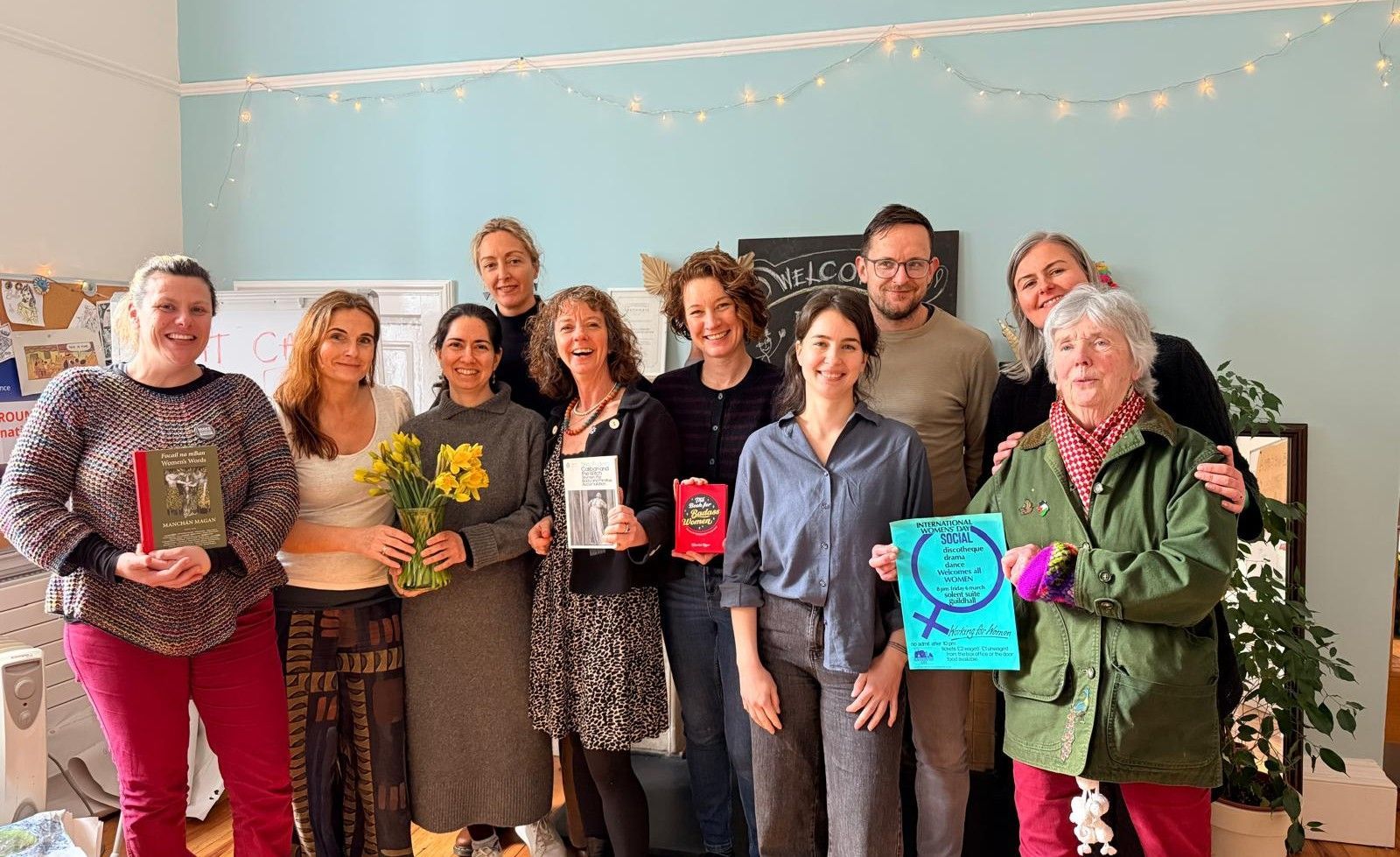
The group shared stories, memories, and reflections on progress made towards gender equality and the challenges that persist. Books, leaflets, and personal materials brought by the participants sparked thoughtful and powerful conversations. One conclusion the group came to was that ‘Women can be patriarchal and Men can be matriarchal’, and it is the systems and not necessarily the gender that gives us a world of increasing gender inequality. There was also a discussion on the corporate hijack of Women’s Day that may lead to further stereotyping and inaction when it comes to challenging the very systems that are disempowering to women. This event was an informal gathering, yet rich with learning and inspiration.
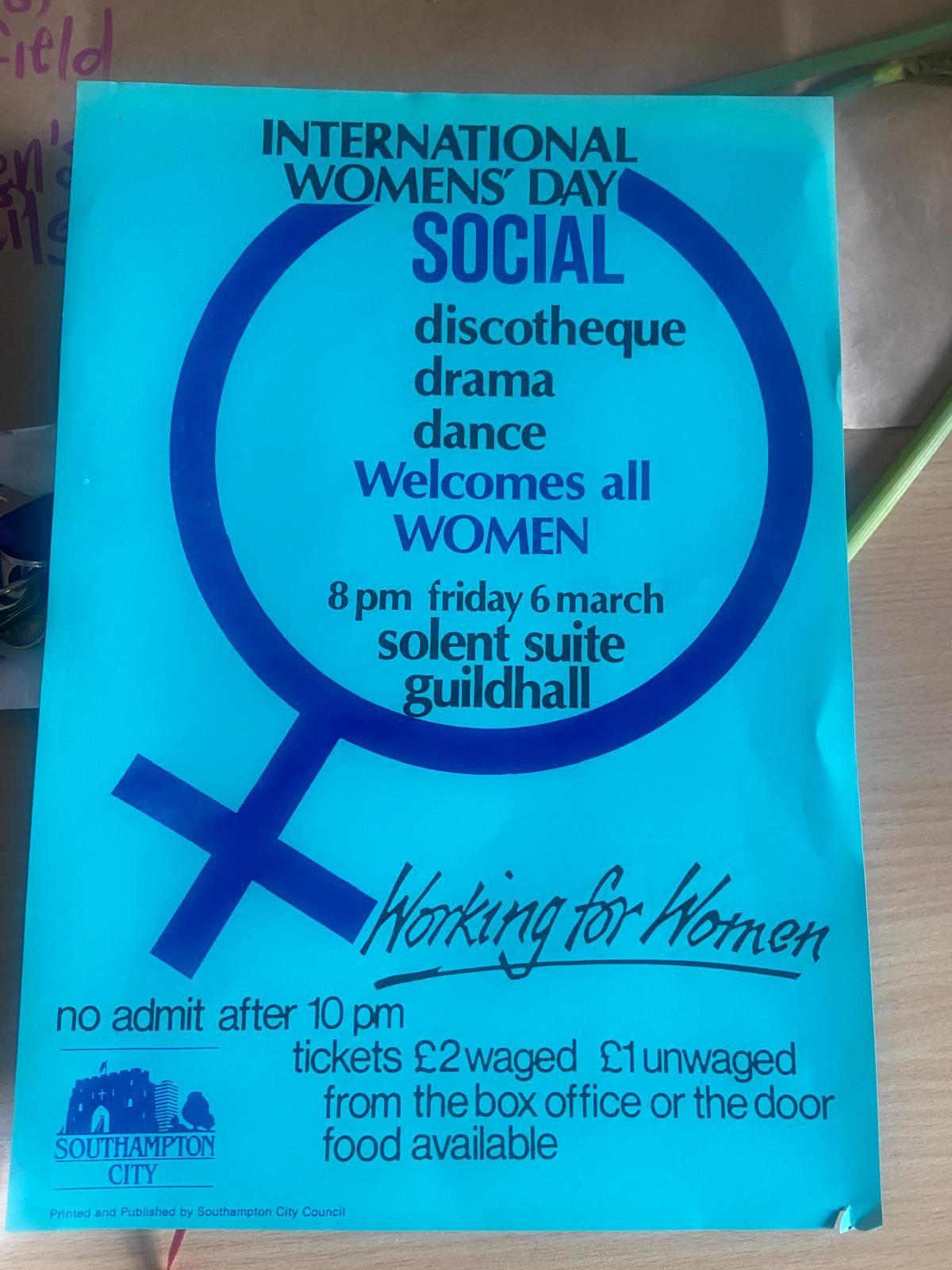
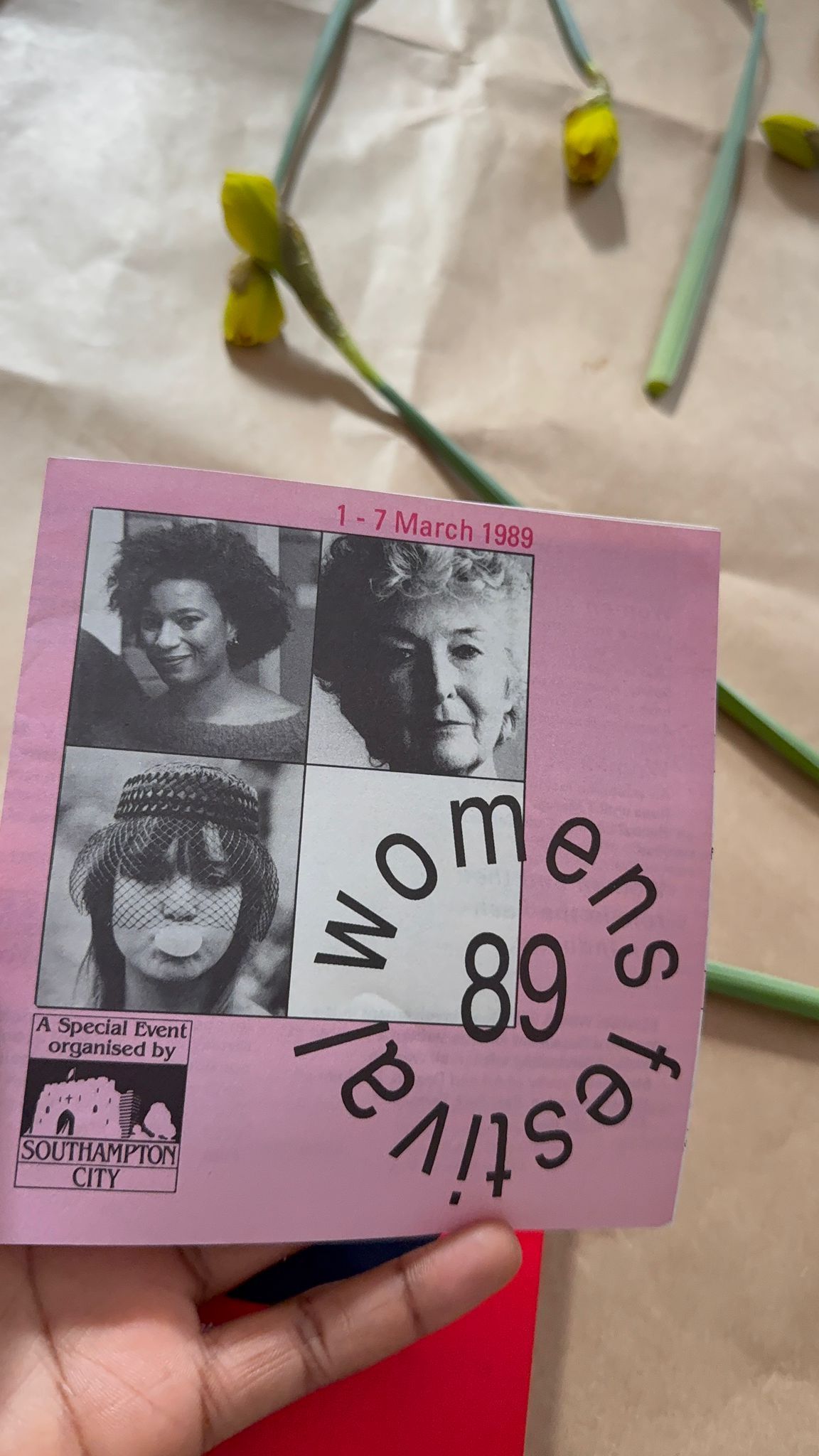
A major highlight came from Adrienne ‘Gráinne’ Boyle, an individual member of IDEA, who brought flyers and posters from her time leading and helping to organise several International Women’s Day events in the 1980s and 1990s. The group agreed that we should bring back the saying ‘Women’s Lib’ (short for women’s liberation) that was popular at that time.
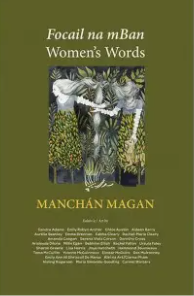
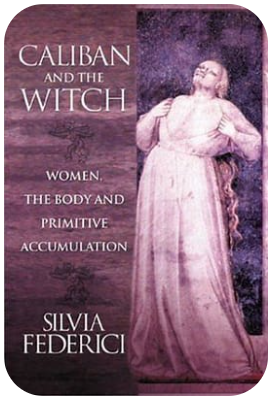
Lizzy Noone, IDEA's Capacity Development Manager, shared books that meant a lot to her and centred on women’s empowerment, adding depth to the conversation. One was Manchan Magan’s ‘Women’s Words’ Focail na mBan, a collection of Irish words that do not see the light of day very often and will be lost completely if we do not capture them - a beautiful book with gorgeous artwork by Irish female artists. Another was Caliban and the Witch, Women and Primitive Accumulation by Silivia Federici that really sets the roots of modern gender inequality in the Age of the Enlightenment where men started to see women as being the same as nature and therefore needing to be tamed and controlled (suspecting some to be witches) and seeing themselves as masters of and therefore separated from nature. The book, of course, gives much more insight into this phenomenon.
Larisa Sioneriu from AONTAS shared a thoughtful reflection from her time growing up in Romania, where street harassment of women was common. She contrasted this with her experience after moving to Ireland, where she noticed that such behaviour was not part of everyday life. While this was a positive change, it also left her wondering why the difference felt so striking.
Her story highlights how deeply normalised certain behaviours can become in some societies, to the point where their absence feels unfamiliar. It serves as a gentle reminder of the importance of creating environments where all women can feel safe and respected in public spaces.
Maximiliana Mtenga, IDEA's Public Relations Officer, offered a powerful reflection from the Global South. She shared experiences from her work with the Legal and Human Rights Centre in Tanzania, where she travelled across the country with gender programmes focusing on tackling Female Genital Mutilation and child marriage.
She reminded the room that, although East African countries have adopted gender equality programmes aligned with SDG 5, the struggle remains far from over. In Kenya, for example, cases of femicide are worrying to the point that activists are forced to protest and campaign against this act of violence.
According to the Tanzania Human Rights Report 2019, incidents of Gender Based Violence continue to prevail across the country. These persistent violations against women and girls show the urgent need for stronger action, broader advocacy, and a united push for safety and equality.
Seeing these realities firsthand has shaped her path deeply. The challenges that women face in Tanzania have moved her and strengthened her resolve. She is inspired to become an impactful activist dedicated to ending Gender Based Violence. Her passion for global citizenship comes not only from alarming statistics, but from the lived experiences of women and girls whose voices are too often unheard or overlooked.
Her story, like many shared at this event, reminded everyone why International Women’s Day is more than a celebration. It is a call to act, to listen, and to stand together for a world where every woman is safe, empowered, and valued.
Several members joined the discussion and others joined for the lunch to celebrate IWD, including individual member Adrienne ‘Gráinne’ Boyle and representatives from member organisations Development Perspectives, Trócaire, WorldWise Global Schools and AONTAS.