IDEA Annual Conference 2026
Education for Liberation: GCE in an Age of Crisis
Wednesday, 24 June 2026
IDEA’s Annual Conference 2026 – Education for Liberation: GCE in an Age of Crisis took participants back to the roots of Development Education while looking ahead with renewed purpose. Drawing on the radical traditions of Development Education and the legacy of Paulo Freire and other transformative educators, the conference explored the foundations of education for liberation in the context of today’s world.
The programme brought these ideas to life through a diverse range of voices, experiences and opportunities for active participation. Participants also heard from Brazilian education leader Madza Ednir, who reflected on Paulo Freire's influence on her thinking: “I have learned from Freire that overcoming oppression is embedded in our day-to-day practice, both individually and collectively, because everything has to do with love, and love is about dialogue.”
They also heard a keynote address from Ukrainian educator
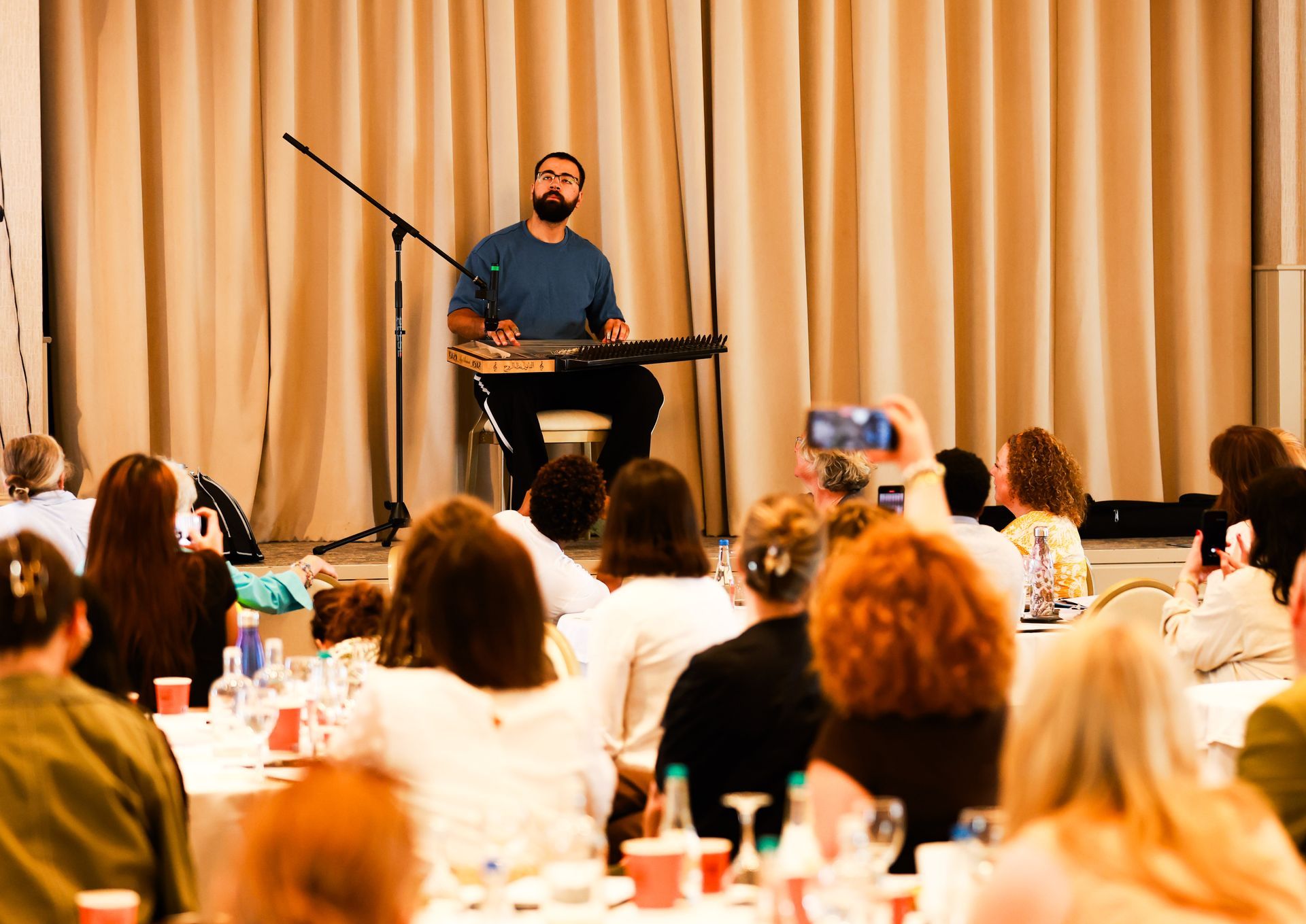
Zoryana Pshyk, alongside the panel conversation, Voices for Liberation: Perspectives on Education in an Age of Crisis. The conference also featured music by Palestinian musician
Aziz Abushark, a special conversation on Love and Radical Hope with award-winning journalist and author
Sally Hayden, and a moving closing ceremony with contributions from
Aziz Abushark and
Nima Ashour, alongside The Blanket for Palestine.
Key Elements of the Conference
Keynote Speaker: Zoryana Pshyk
Zoryana Pshyk delivered the keynote address at IDEA’s Annual Conference 2026 – Education for Liberation: GCE in an Age of Crisis. Drawing on her lived experience of migration, her time in Ireland’s direct provision system, and her work with asylum seekers, refugees and marginalised communities, she reflected on education as a space where people can reclaim voice, dignity and agency. Her contribution explored how educators can support people to move beyond systems of survival towards solidarity and collective transformation.
“Over time, oppression goes very deep into your body; it goes into your bones, into your brain, into your soul. It diminishes you, dehumanises you, until it breaks you…”
Zoryana Pshyk.
Spoken Word Performance by Nima Ashour at Annual Conference 2026
Watch this very powerful and inspiring spoken-word performance by Palestinian student Nima Ashour at the IDEA Annual Conference 2026 - Education for Liberation: GCE in an Age of Crisis in June. Nima’s piece was a standout feature of our closing ceremony and was accompanied by Aziz Abushark, a Palestinian musician, and the Craftivism for Palestine blanket. Her piece challenged us to reflect on the world around us and our role in transforming it, leaving participants with a lasting reminder of the importance of critical engagement, solidarity and action.
"Let us leave here not with heavy hearts, but lifted up;
a little more courageous,
a little more hopeful and
a little more committed to each other.
Let us carry the torch of education for liberation.
We have on this earth what makes life worth living:
our humanity, our compassion; And our capacity to care.
Let's protect that.
Let's nurture it.
Let's share it.
Because that’s how the world really changes,
one person,
one voice,
one act of courage at a time".
Nima Ashour.
Artists: African Queens (Nomalanga Zulu and Neo Florence Gilson)
Watch African Queens perform at IDEA's Annual Conference 2026 – Education for Liberation: GCE in an Age of Crisis. Through a powerful blend of music, storytelling and African artistic traditions, Nomalanga Zulu and Neo Florence Gilson created a vibrant and inspiring experience that celebrated intercultural dialogue, community connection, and the transformative power of the arts.
Their performance served as a reminder of the deep interconnectedness of communities and of the role of music and culture as powerful vehicles for solidarity, dialogue, and liberation.
In Conversation: Sally Hayden – Love and Radical Hope
Award-winning journalist, photographer and author Sally Hayden joined Pierre Yimbog for a special conversation on Love and Radical Hope. Drawing on years of frontline reporting across migration routes and conflict zones, she reflected on the responsibility of storytelling, bearing witness to injustice, and the power of narratives to challenge systems of power while affirming dignity, humanity and hope.
“In August 2018, I received a message from an Eritrean man who was being held in a Libyan detention centre, asking for help. He said he was among hundreds of people locked up without charge. I began writing about their situation and the need for attention, and that became the starting point for the reporting that led to my first book.”
Sally Hayden.
Speaker: Niall Tierney
Niall Tierney, Director of the Global Programmes Unit within Ireland’s Department of Foreign Affairs and Trade, shared reflections on the role of Global Citizenship Education in fostering international solidarity and collective action. Drawing on extensive experience in international development and humanitarian work, he highlighted the importance of GCE in responding to global challenges and building a more just and interconnected world.
Panel Conversation: Voices for Liberation – Perspectives on Education in an Age of Crisis
The panel brought together four speakers whose work spans community development, anti-racism education, decolonial practice, trauma-informed approaches and student activism. Together, they explored how education can respond to contemporary crises while fostering justice, participation and collective action.
- Fahmeda Naheed – Community Activism and Anti-Racism Education
Fahmeda Naheed shared insights from her extensive work in community organising, intercultural dialogue and anti-racism advocacy. Drawing on her leadership of the Irish Pakistani Community of Cork and her doctoral research on anti-racism education, she highlighted the importance of community-based learning spaces in building inclusion, challenging discrimination and strengthening social cohesion. Her contribution emphasised the role of education in amplifying marginalised voices and fostering solidarity across diverse communities. - John Magee – Global Citizenship Education and Praxis
John Magee reflected on his experience as an educator and school chaplain, demonstrating how Global Citizenship Education can move beyond awareness-raising towards meaningful action. Inspired by Paulo Freire's concept of praxis, he discussed the importance of creating opportunities for students to critically engage with global issues and translate their learning into action. His contribution highlighted the transformative potential of education when reflection and action are combined. - Macarena Montero – Decolonial Education and Student-Led Change
Macarena Montero brought a decolonial perspective informed by her background in community development and popular education. Drawing on her work with Educate Together, she explored how schools can support student-led activism and empower young people to become active agents of change. Her contribution focused on collective action, participation and education as a tool for advancing social justice. - Talha AlAli – Trauma-Informed and Decolonial Approaches to Education
Talha AlAli contributed insights from his work as a psychotherapist, educator and human rights activist. Drawing on his experience supporting survivors of war, torture and displacement, he examined the importance of culturally responsive, trauma-informed and justice-oriented approaches to education and wellbeing. His contribution encouraged participants to consider how educational spaces can support healing, dignity and liberation while addressing the impact of conflict and oppression.
“In a world marked by hate, racism, war, and violence, Paulo Freire held firmly onto the idea of love, and that was central to his message. What stands out most to me in his work is the concept of critical consciousness. He challenged the idea of education as simply transferring knowledge into passive learners. Instead, he understood education as a shared process, where people learn with and from each other, and where questioning dominant narratives becomes essential. This connects deeply with psychotherapy, where the aim is to support people in moving from being objects shaped by systems to becoming subjects, individuals who can understand those systems, challenge them, and transform them” Talha AlAli.
Highlights from IDEA’s Annual Conference 2026
Watch the highlights from IDEA’s Annual Conference 2026 – Education for Liberation: GCE in an Age of Crisis. From thought-provoking workshops and inspiring conversations with Sally Hayden and Zoryana Pshyk to the vibrant performances of African Queens and the moving closing ceremony featuring The Blanket for Palestine, this video captures a day of reflection, creativity, solidarity and collective action for a more just world
Workshops Sessions at the Conference 2026
Our members also enjoyed a selection of workshops during the conference to inspire and motivate their work over the coming year.
- Emotion and Motivation: Capturing Energy – The Genius of Freire with Peter Dorman, Partners Training for Transformation.
- Using Drama Methodologies to Facilitate Liberating GCE with Ellen Corby and Mica O'Dwyer, Limerick Youth Service.
- Nurturing Educator Reflexivity through Gestalt Theatre with Sive Bresnihan, trainer and facilitator in Global Citizenship Education.
- From Conscientisation to Collective Action: Freirean Dialogues Across Africa and the Diaspora with Daniela Jiménez-Montero, Africa Solidarity Centre Ireland.
- African Queens: Music, Storytelling and Education for Liberation with Nomalanga Zulu and Neo Florence Gilson, African Queens.
- Who in this World Has Access to Pleasure? with Aleesha Wiegandt and Zoë McKenna, creative facilitators and Global Citizenship Educators.
We are looking forward to our 2027 Annual Conference already!
Photographs
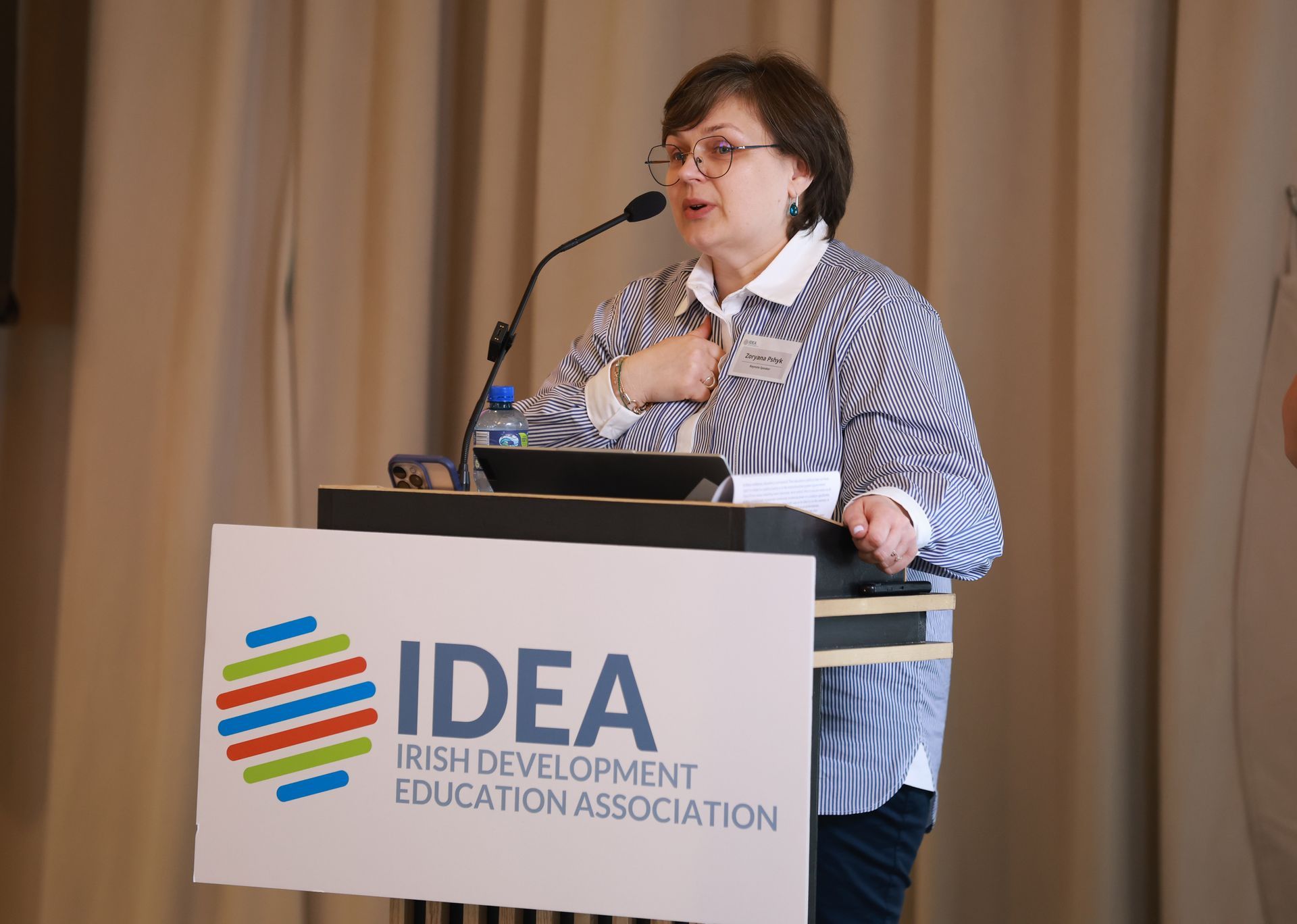
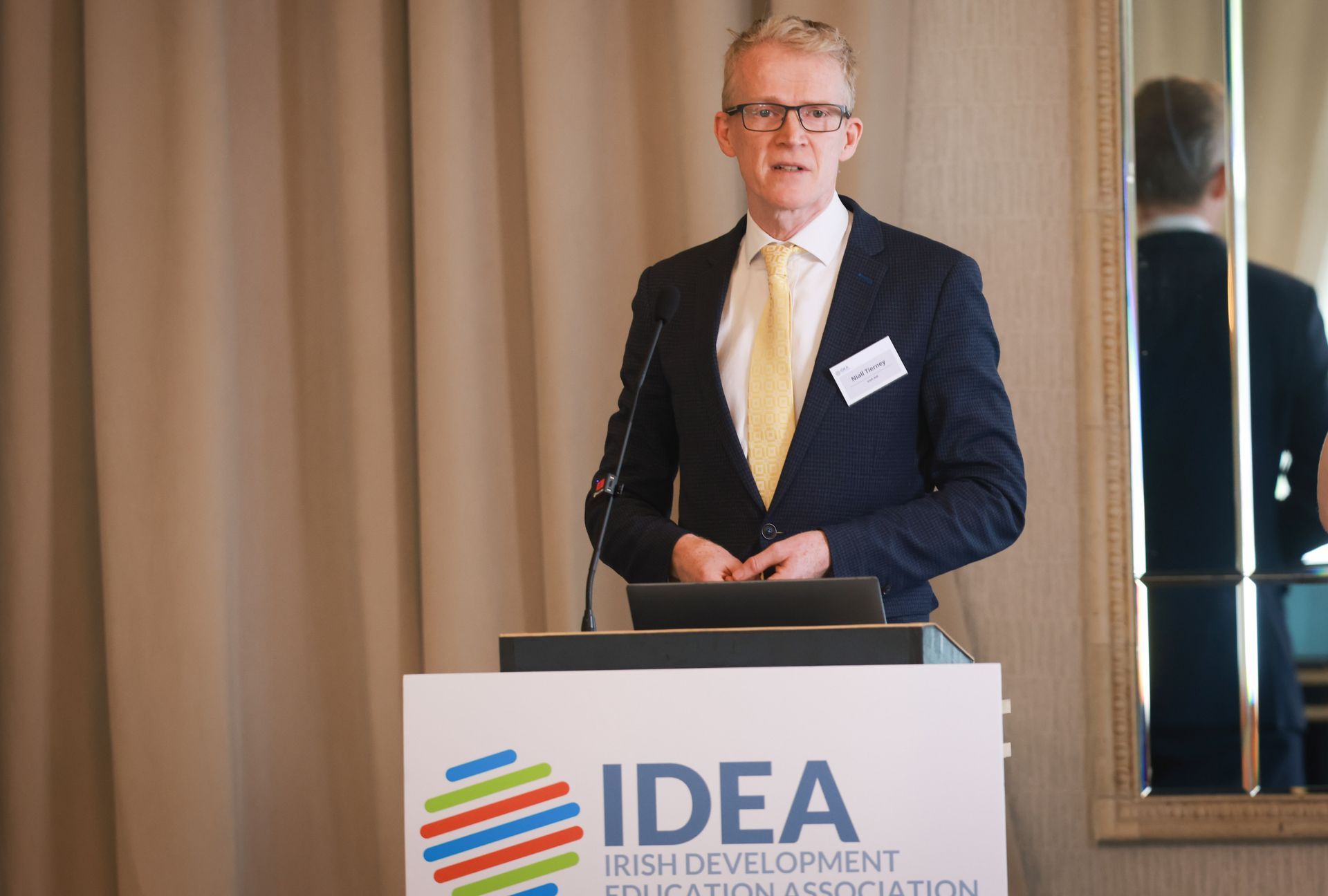
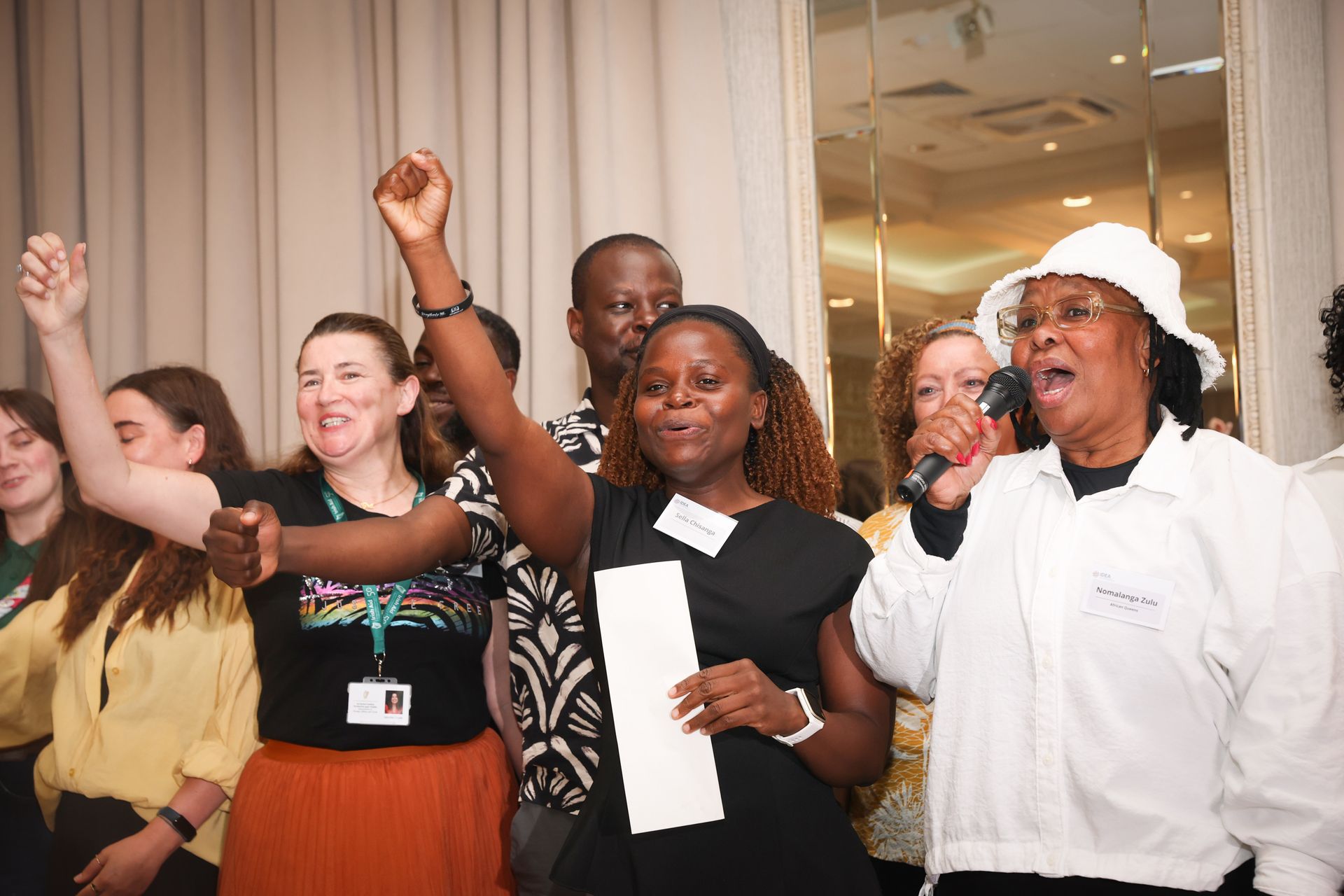
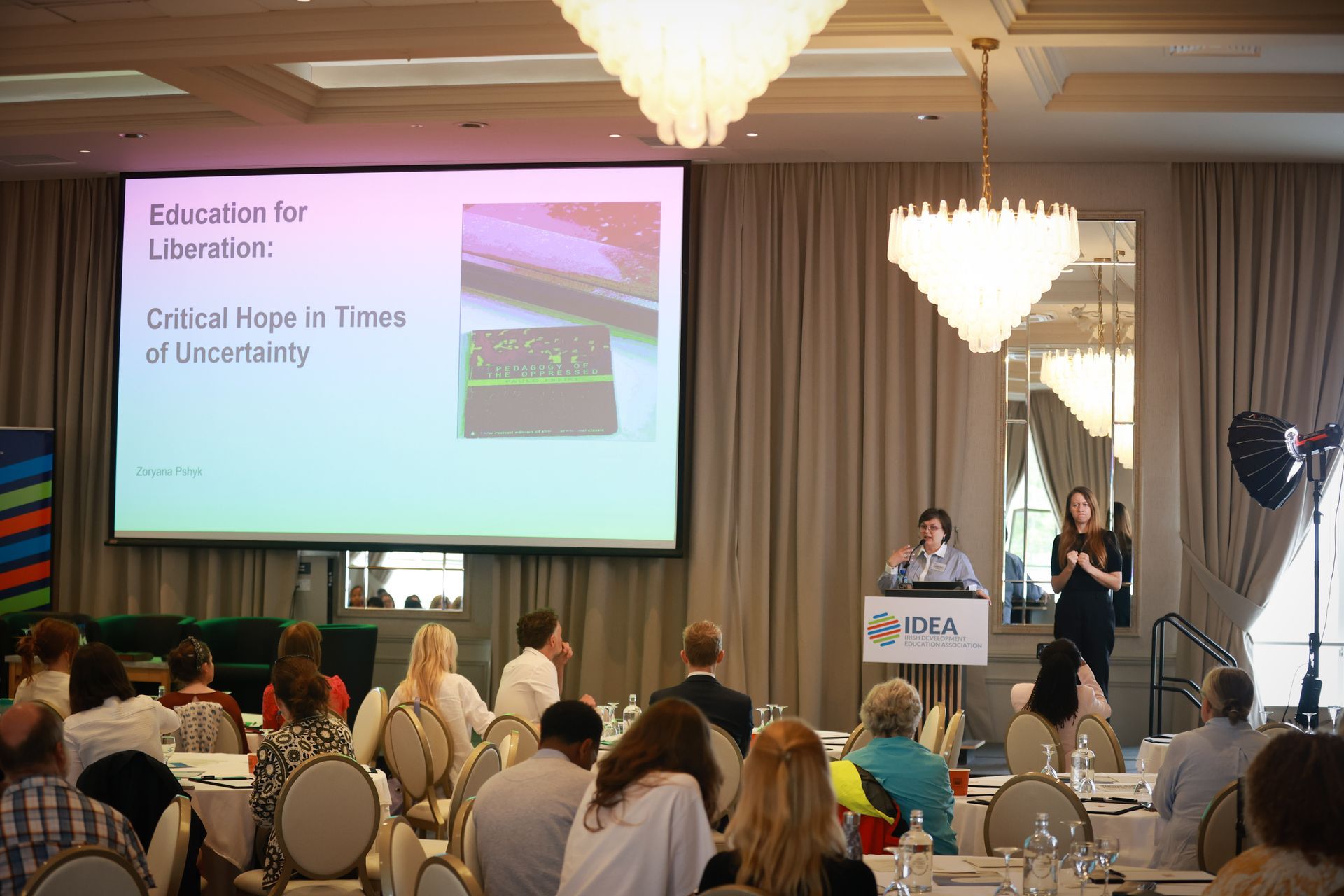
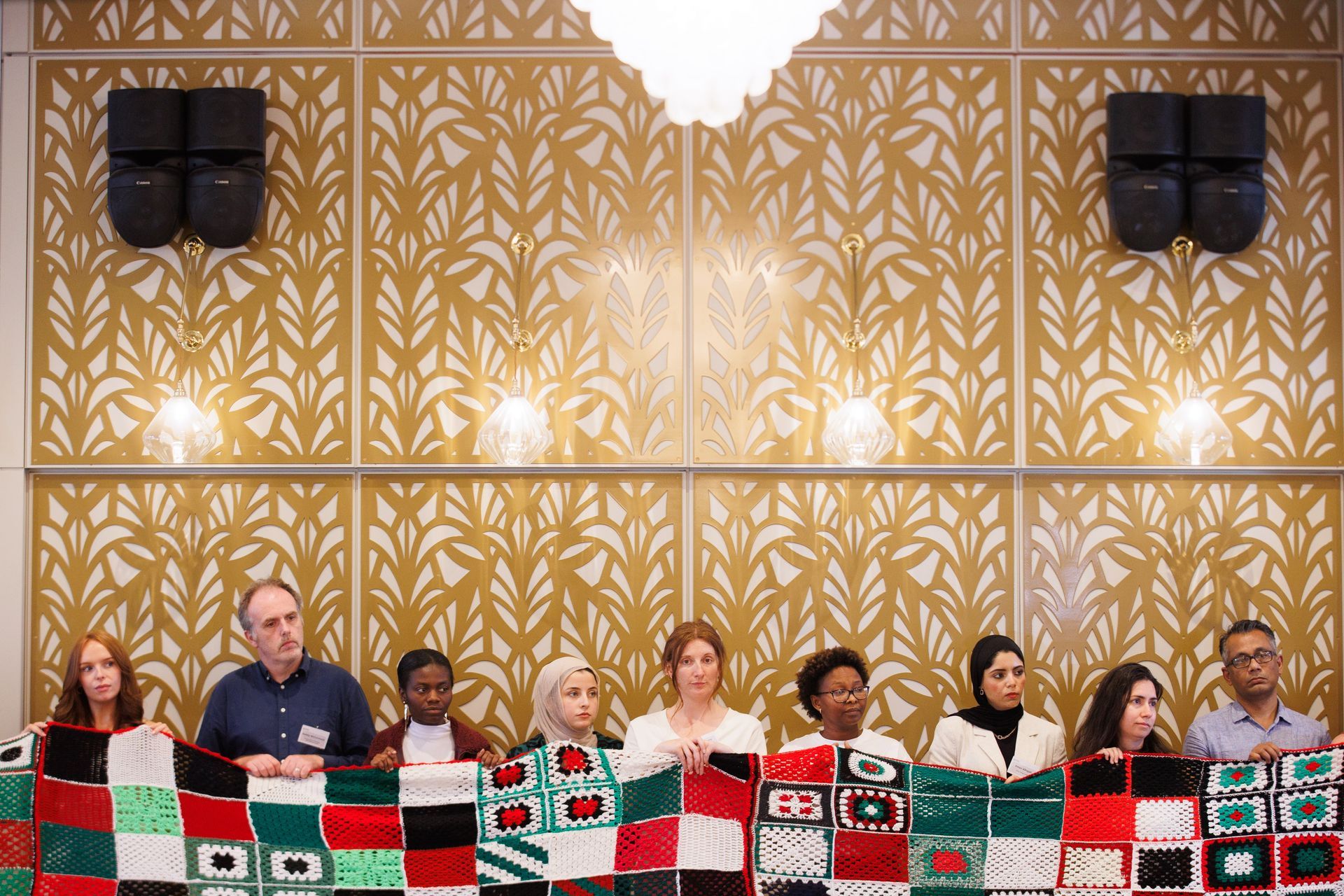
Photo By: David Laird and Tom Maher
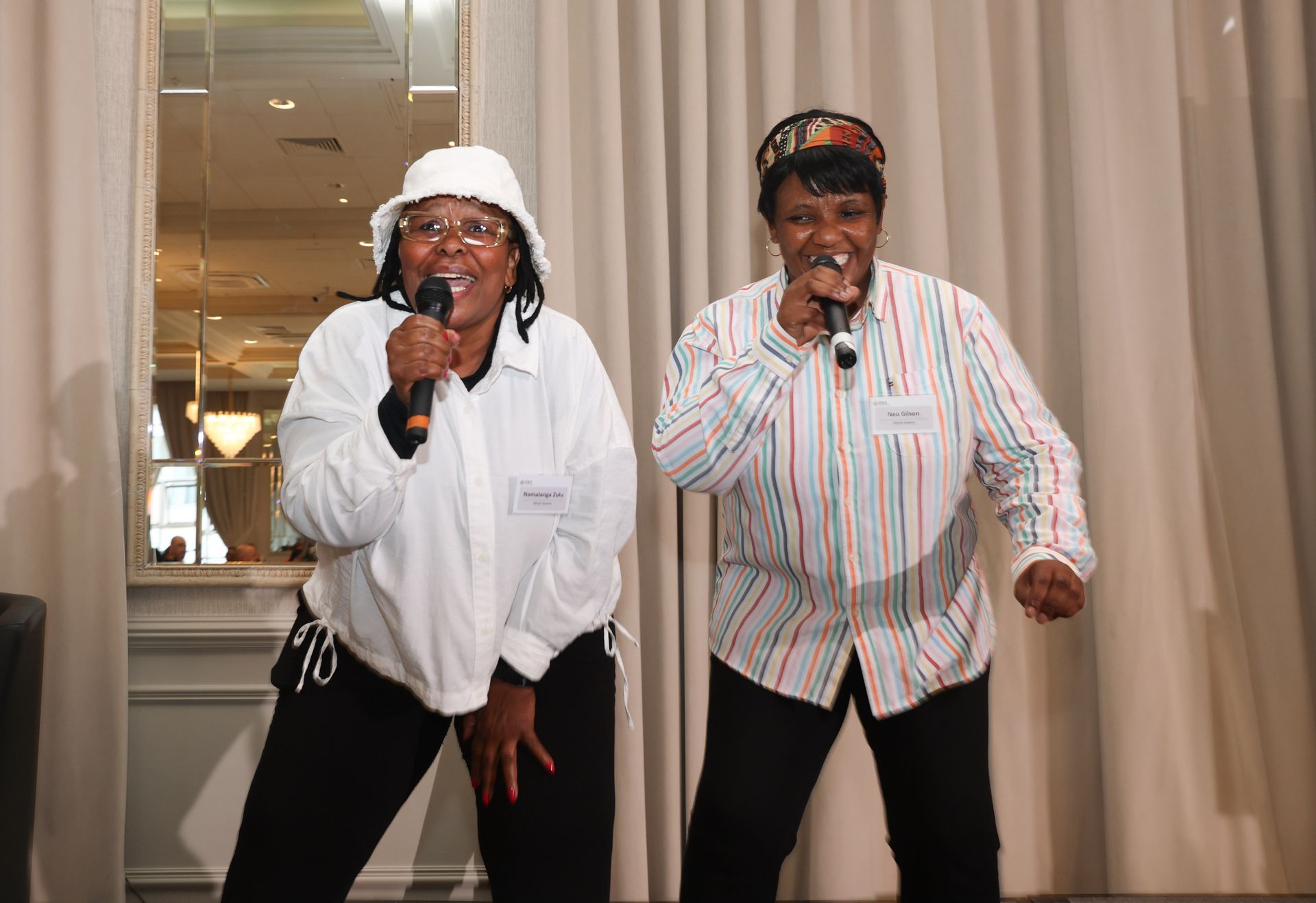
Photo By: David Laird and Tom Maher
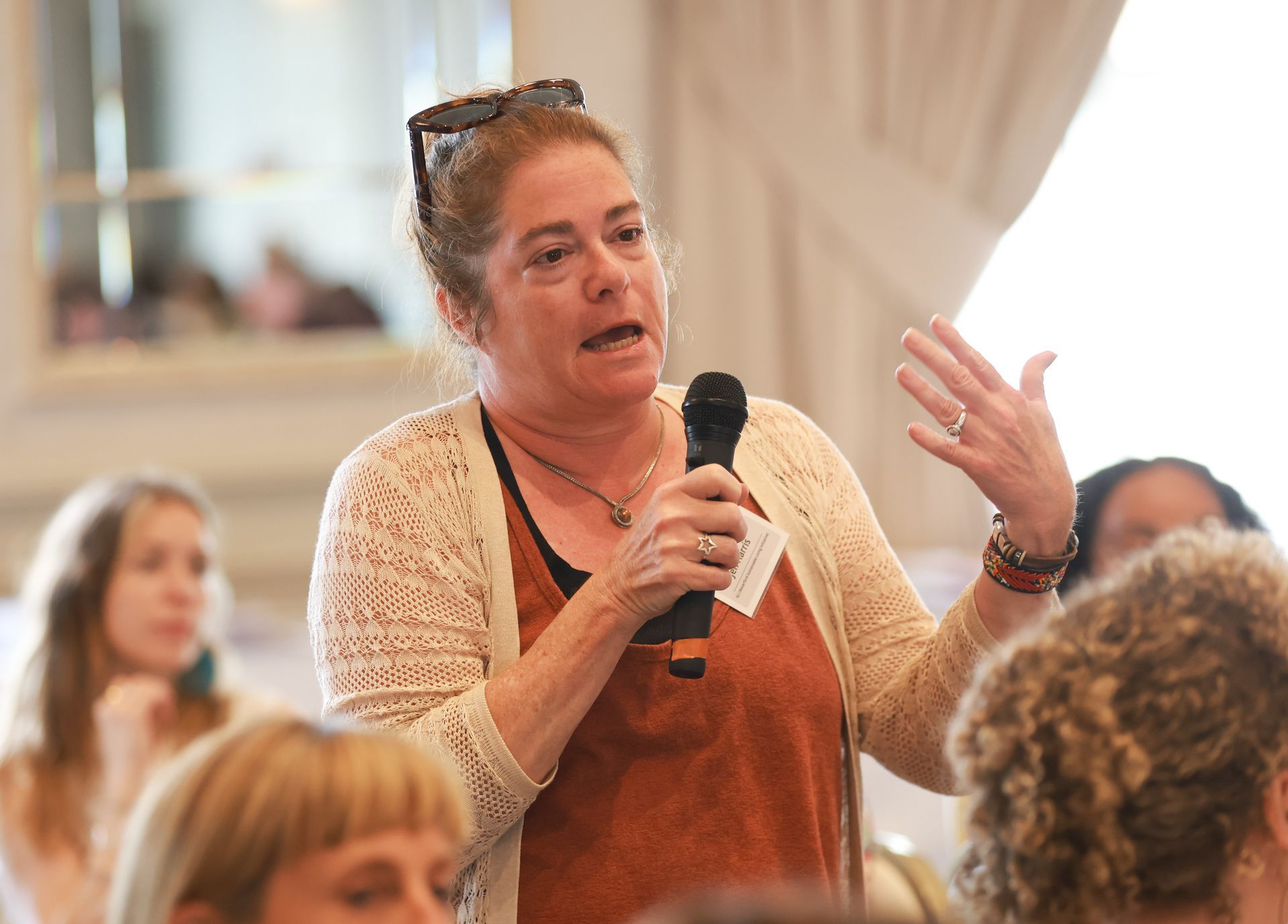
Photo By: David Laird and Tom Maher
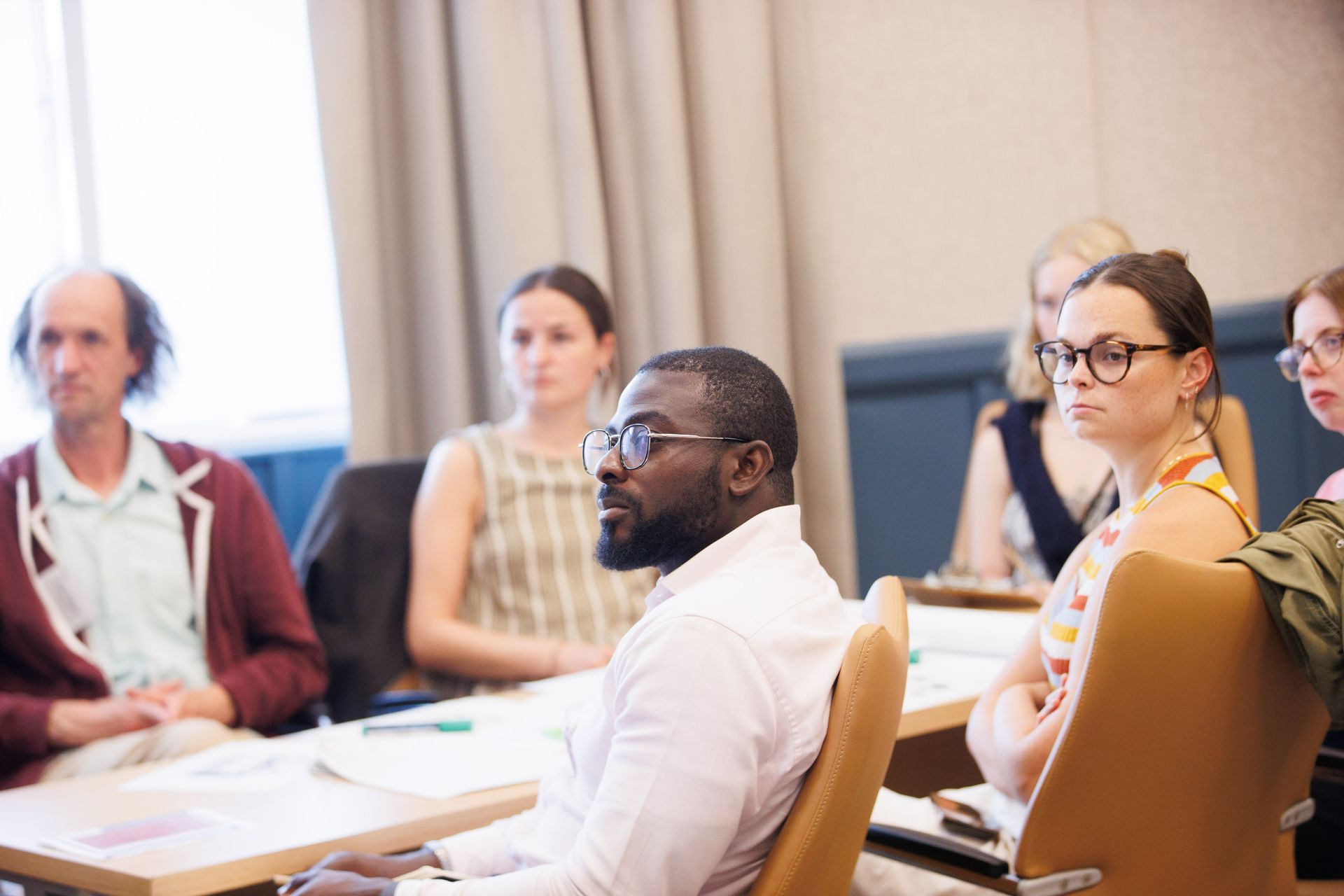
Photo By: David Laird and Tom Maher
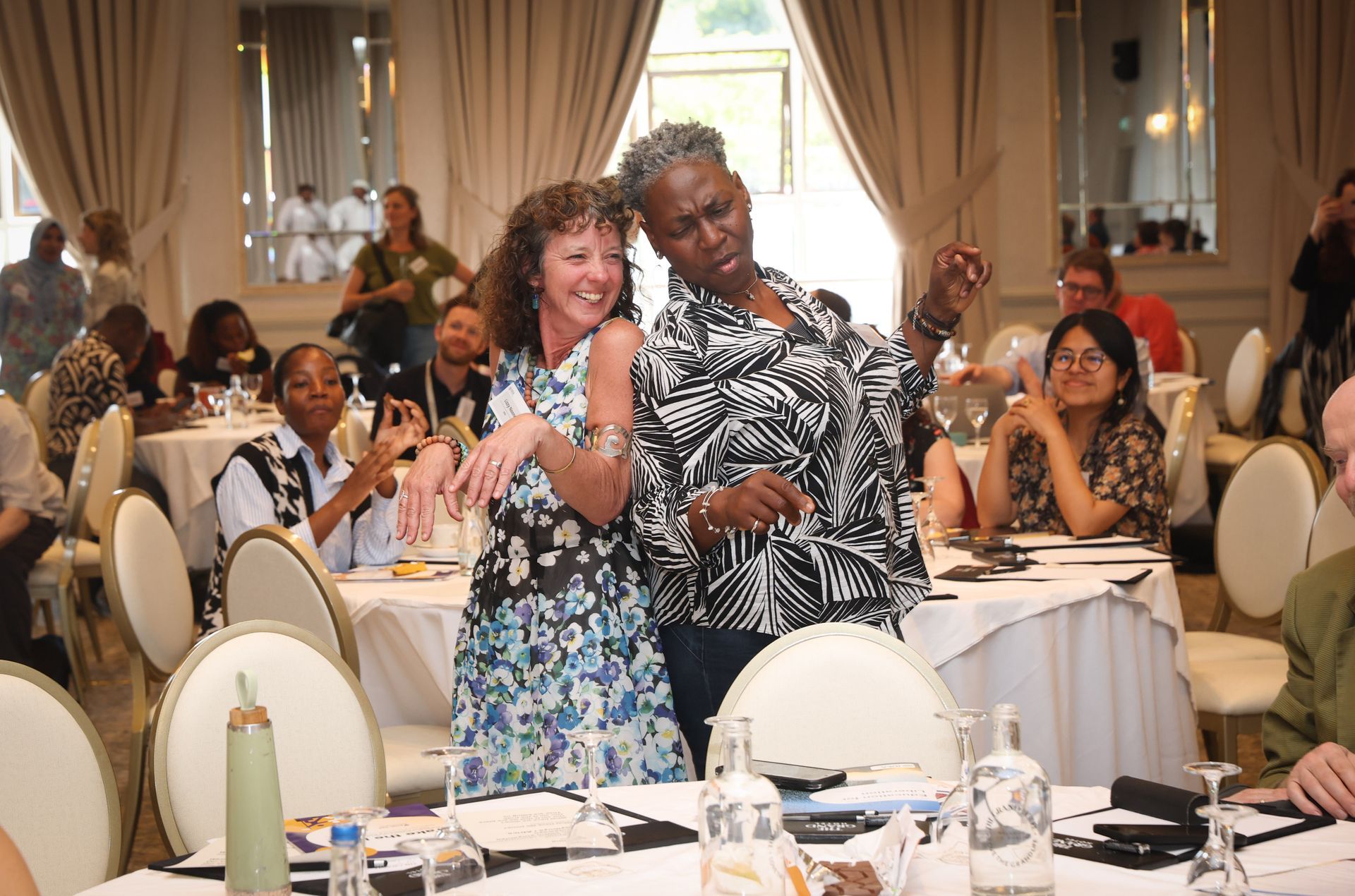
Philomena Obasi and Lizzy Noone
Photo By: David Laird and Tom Maher
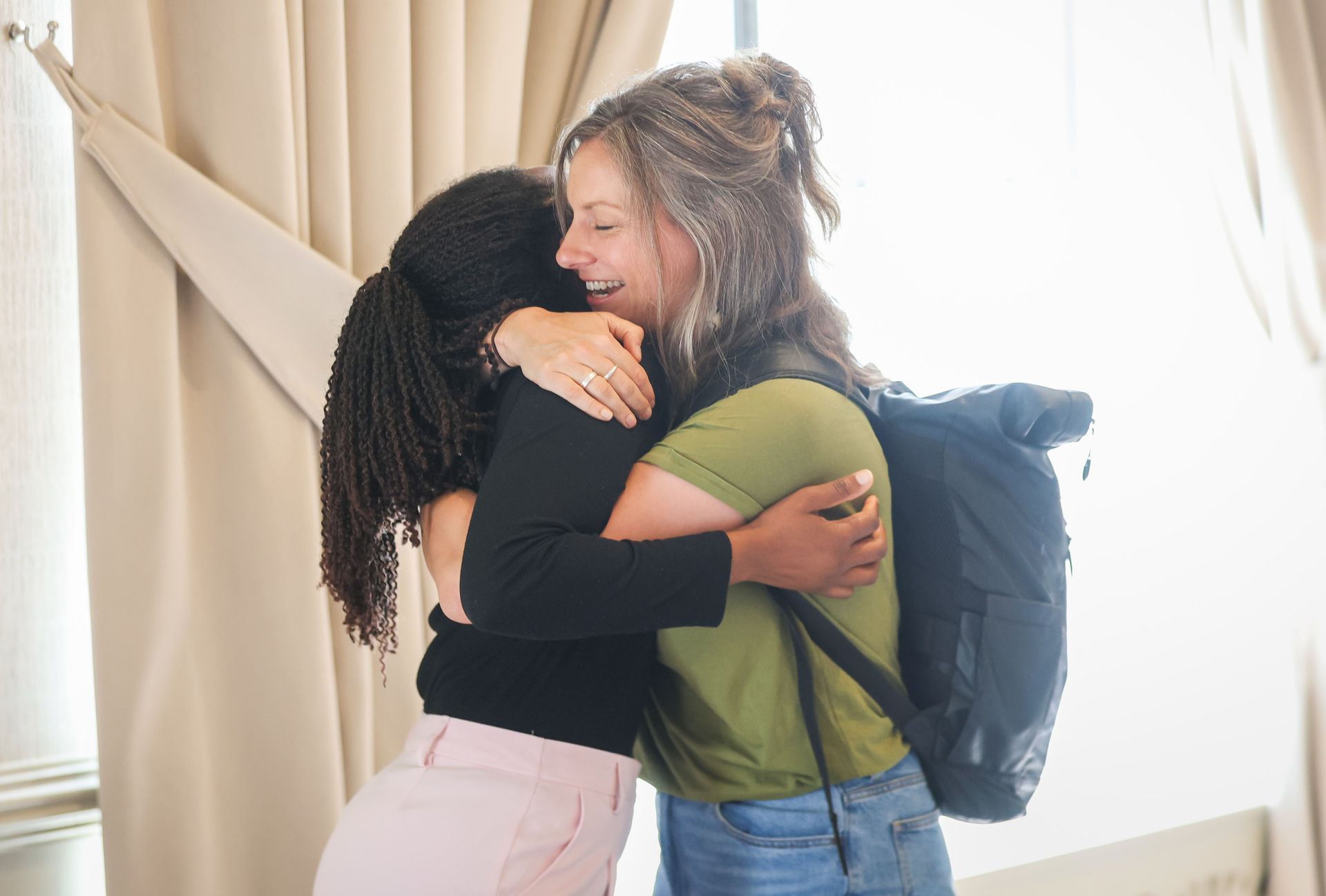
Caitriona Rogerson and Maximiliana Mtenga
Photo By: David Laird and Tom Maher
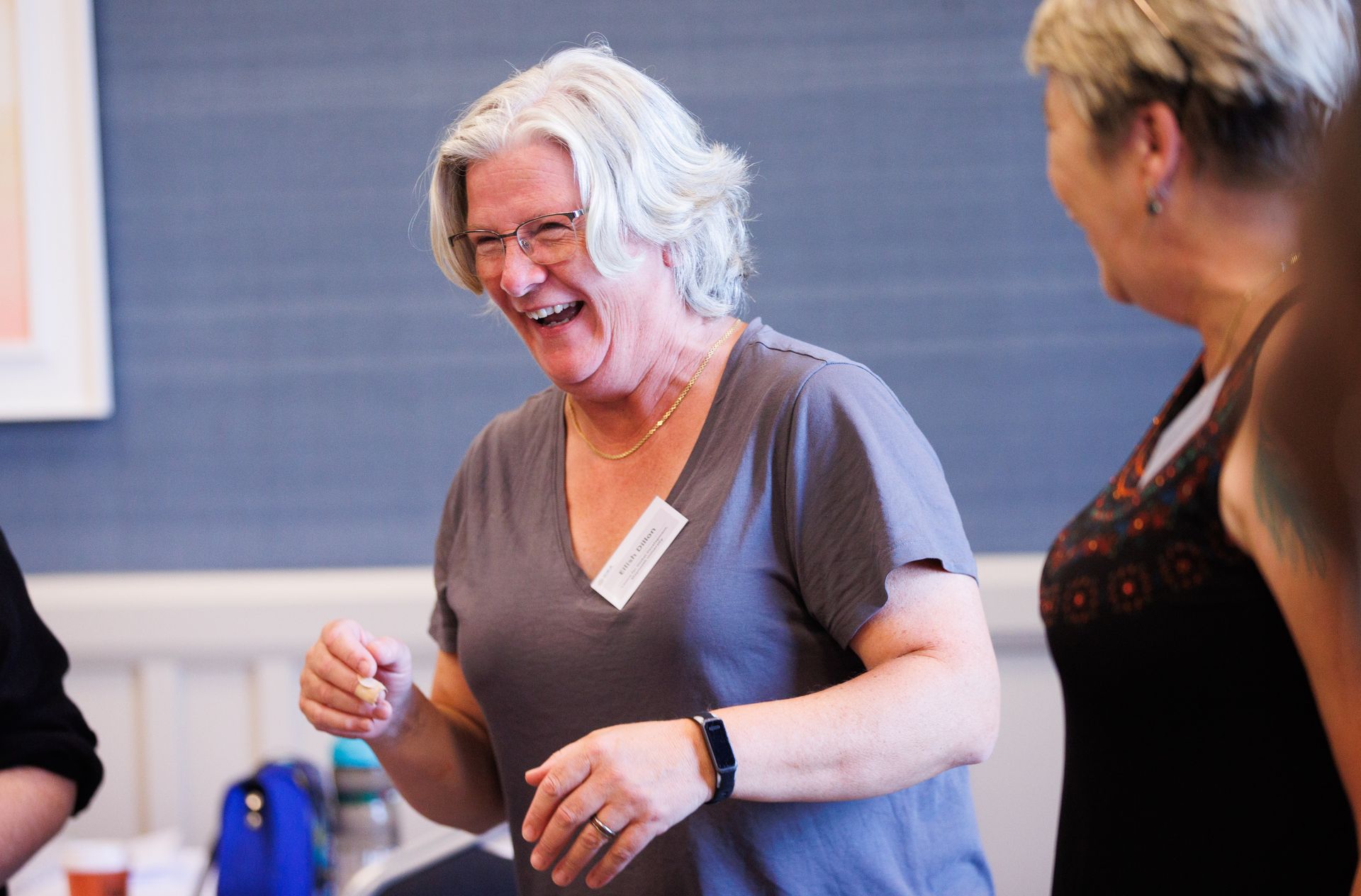
Eilish Dillon
Photo By: David Laird and Tom Maher
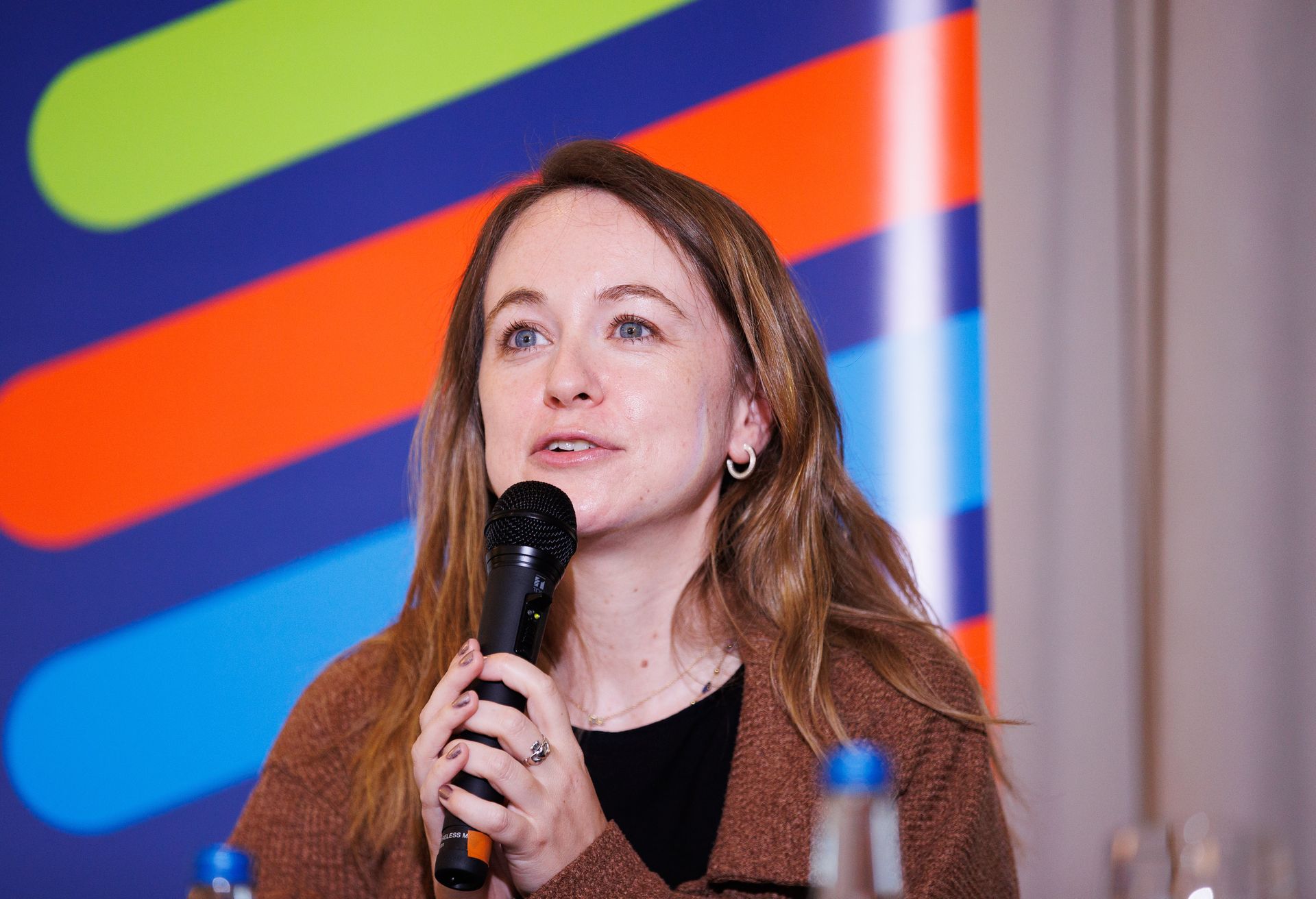
Sally Hayden
Photo By: David Laird and Tom Maher
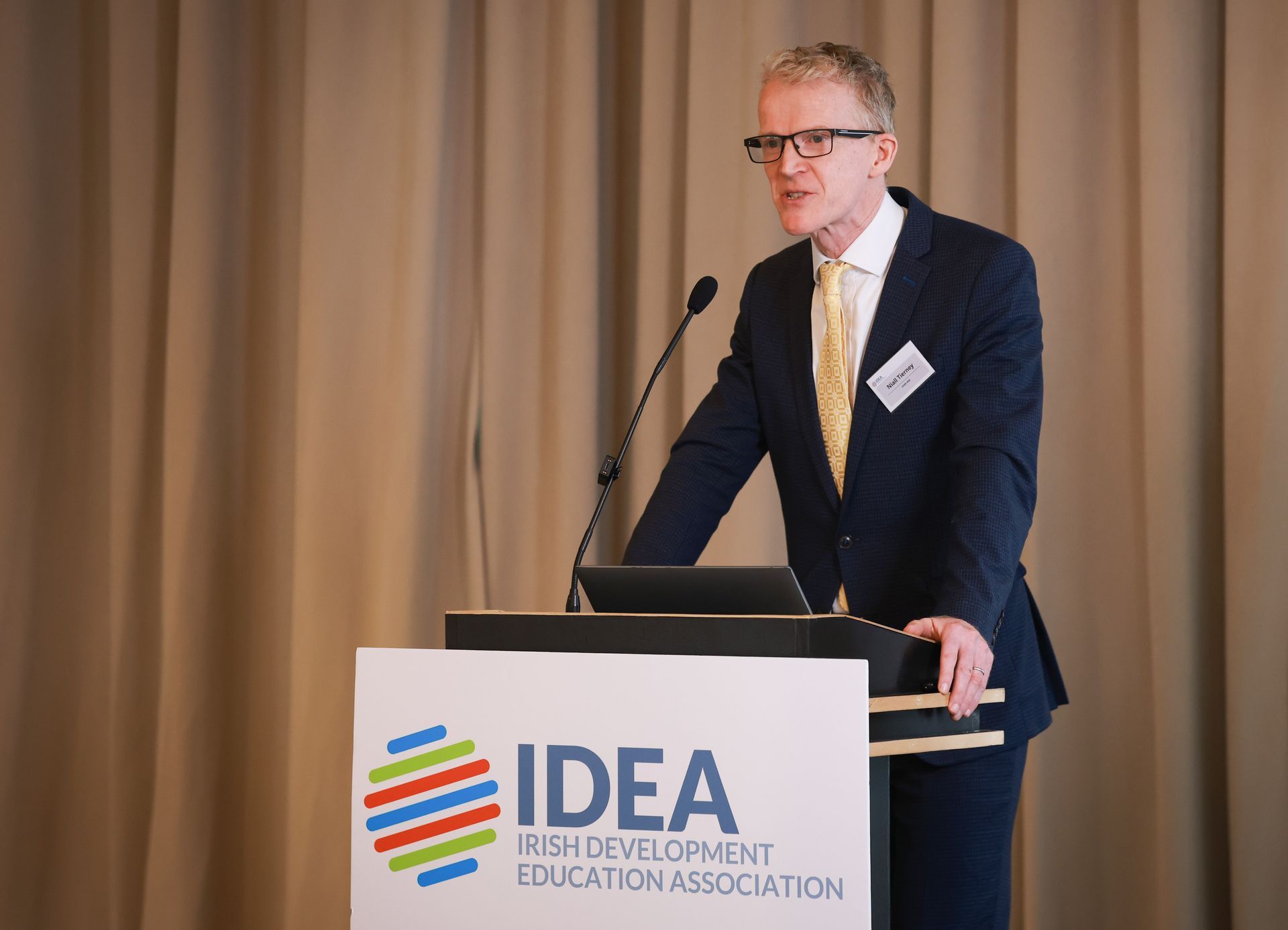
Niall Tierney
Photo By: David Laird and Tom Maher
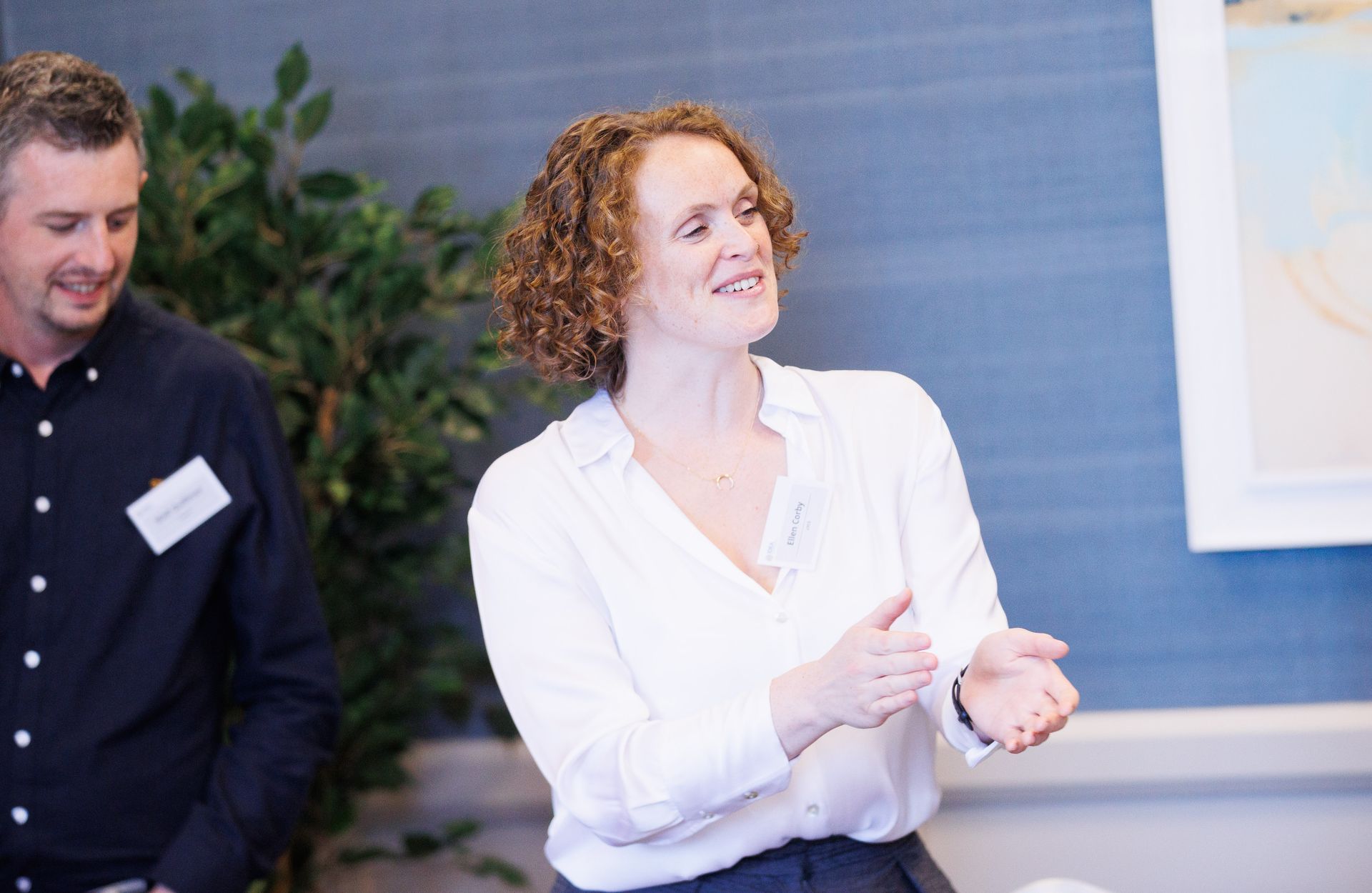
Ellen Corby
Photo By: David Laird and Tom Maher
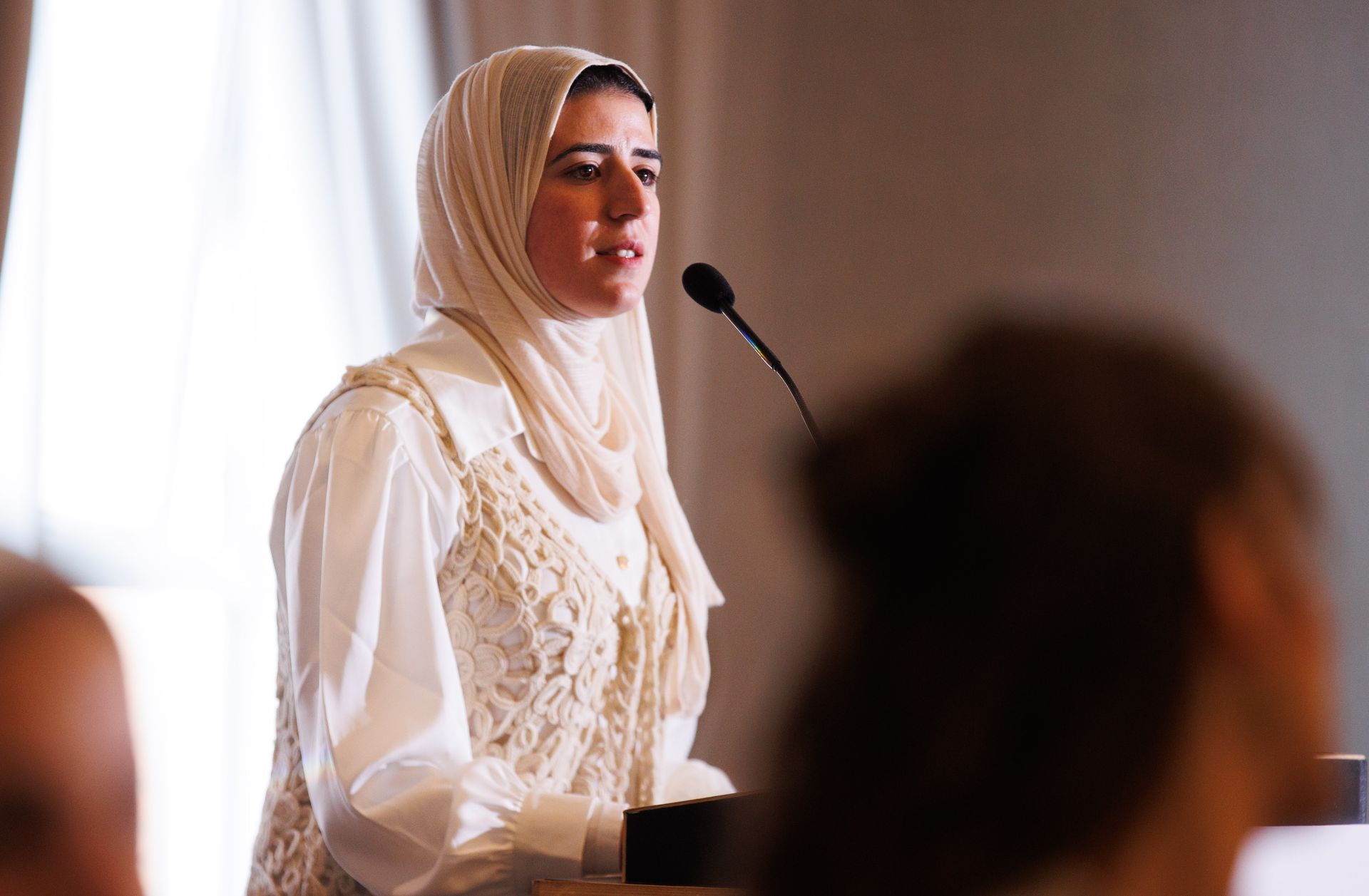
Nima Ashour
Photo By: David Laird and Tom Maher
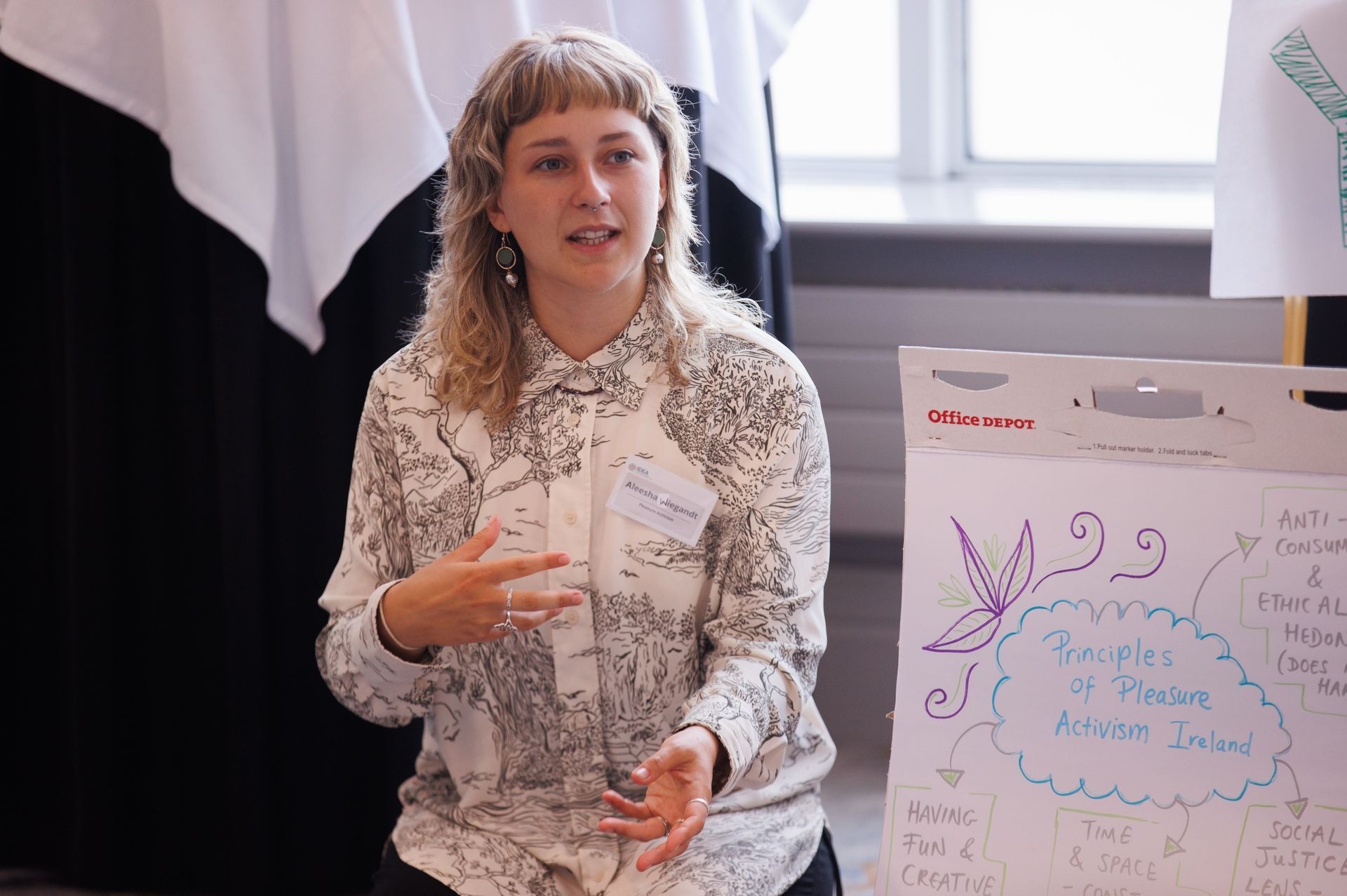
Aleesha Wiegandt
Photo By: David Laird and Tom Maher
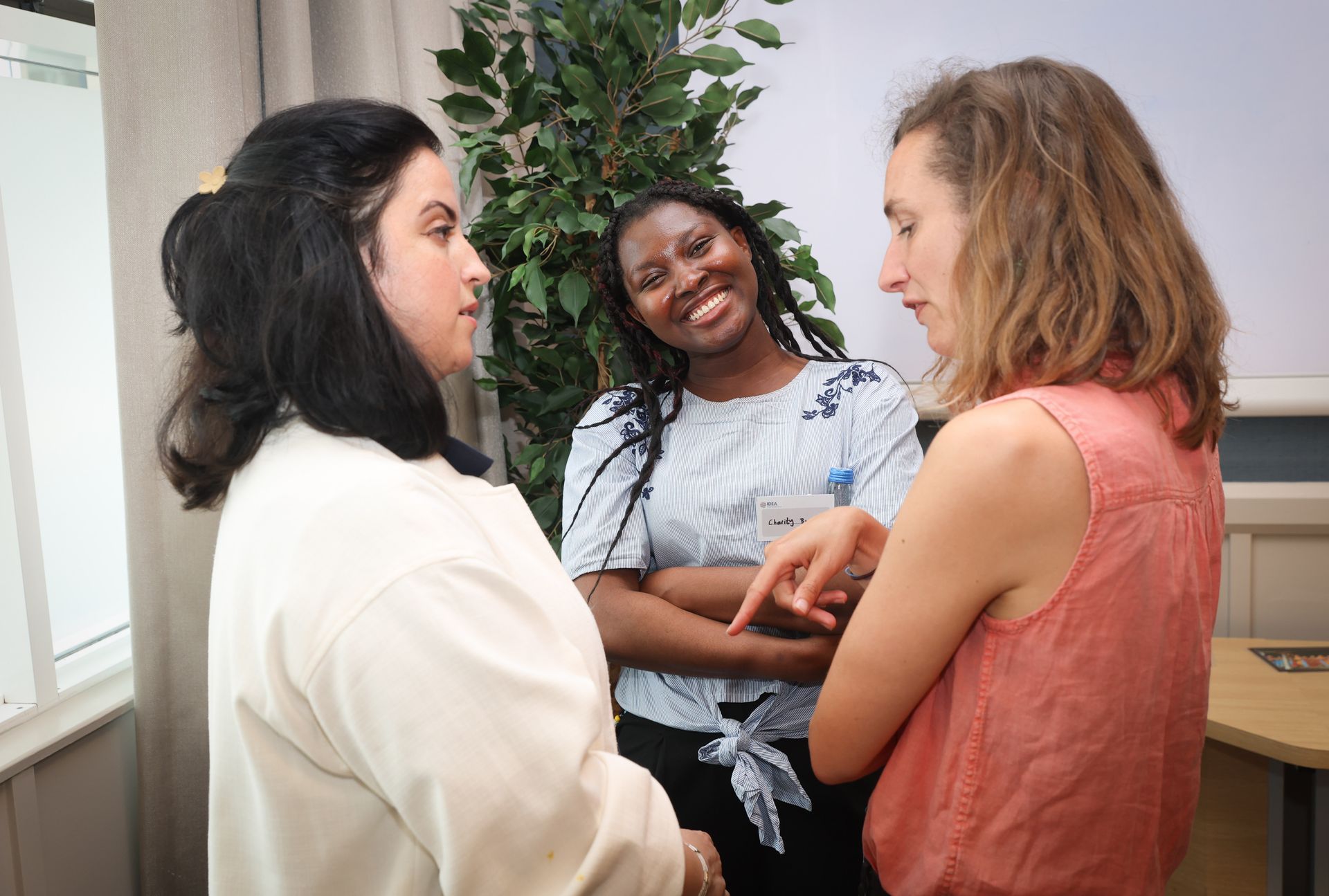
Photo By: David Laird and Tom Maher
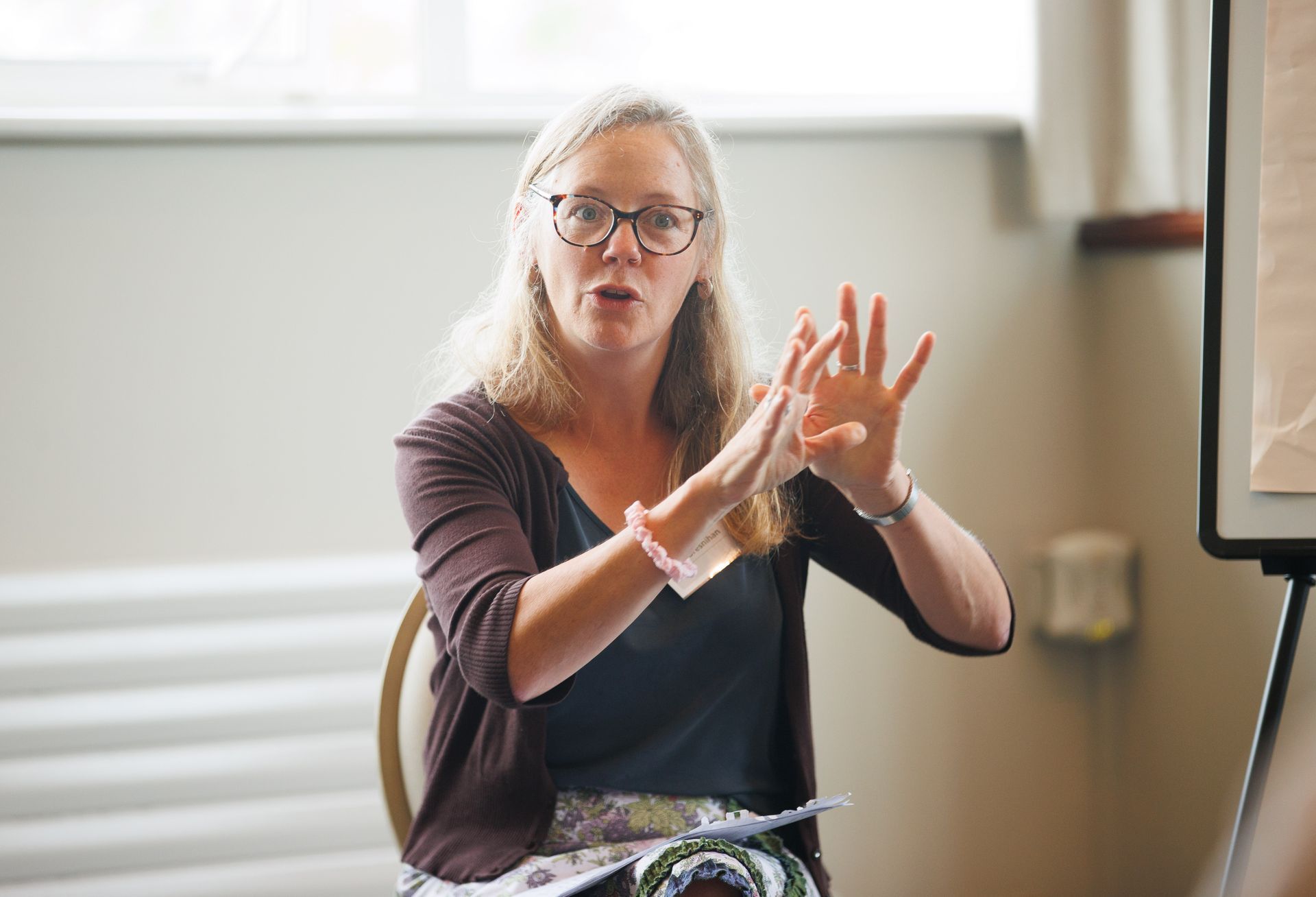
Photo By: David Laird and Tom Maher
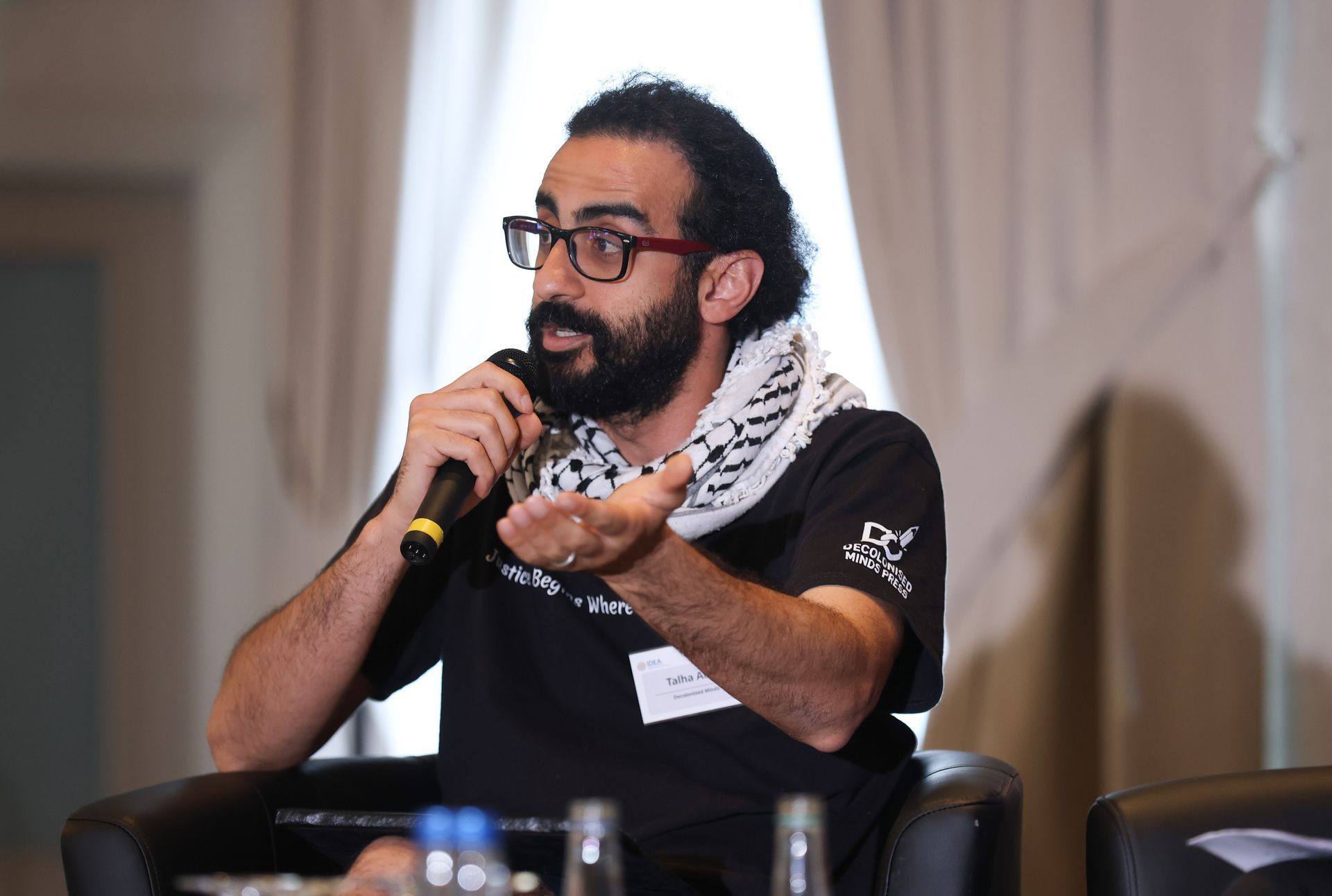
Photo By: David Laird and Tom Maher
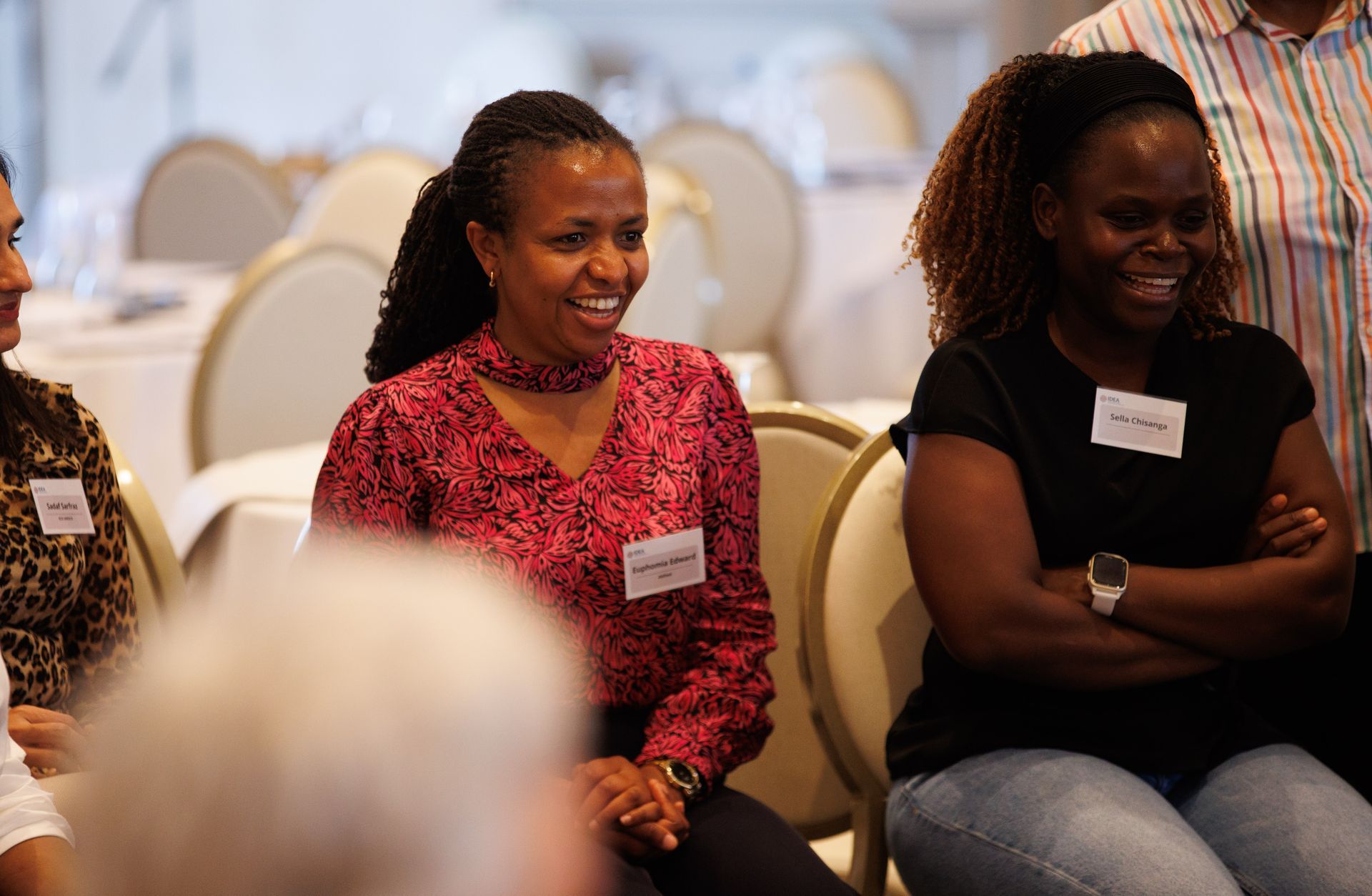
Photo By: David Laird and Tom Maher
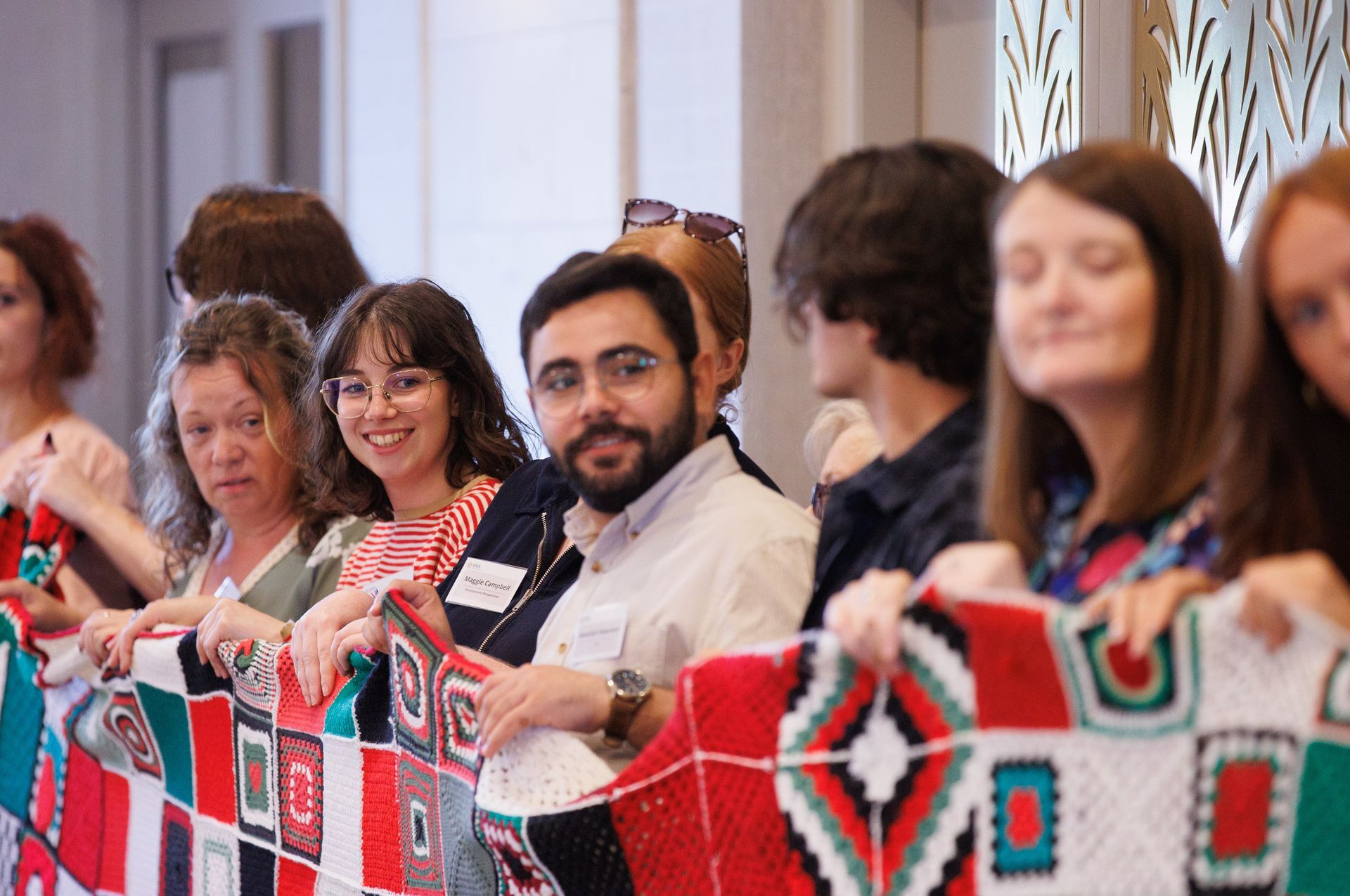
Photo By: David Laird and Tom Maher
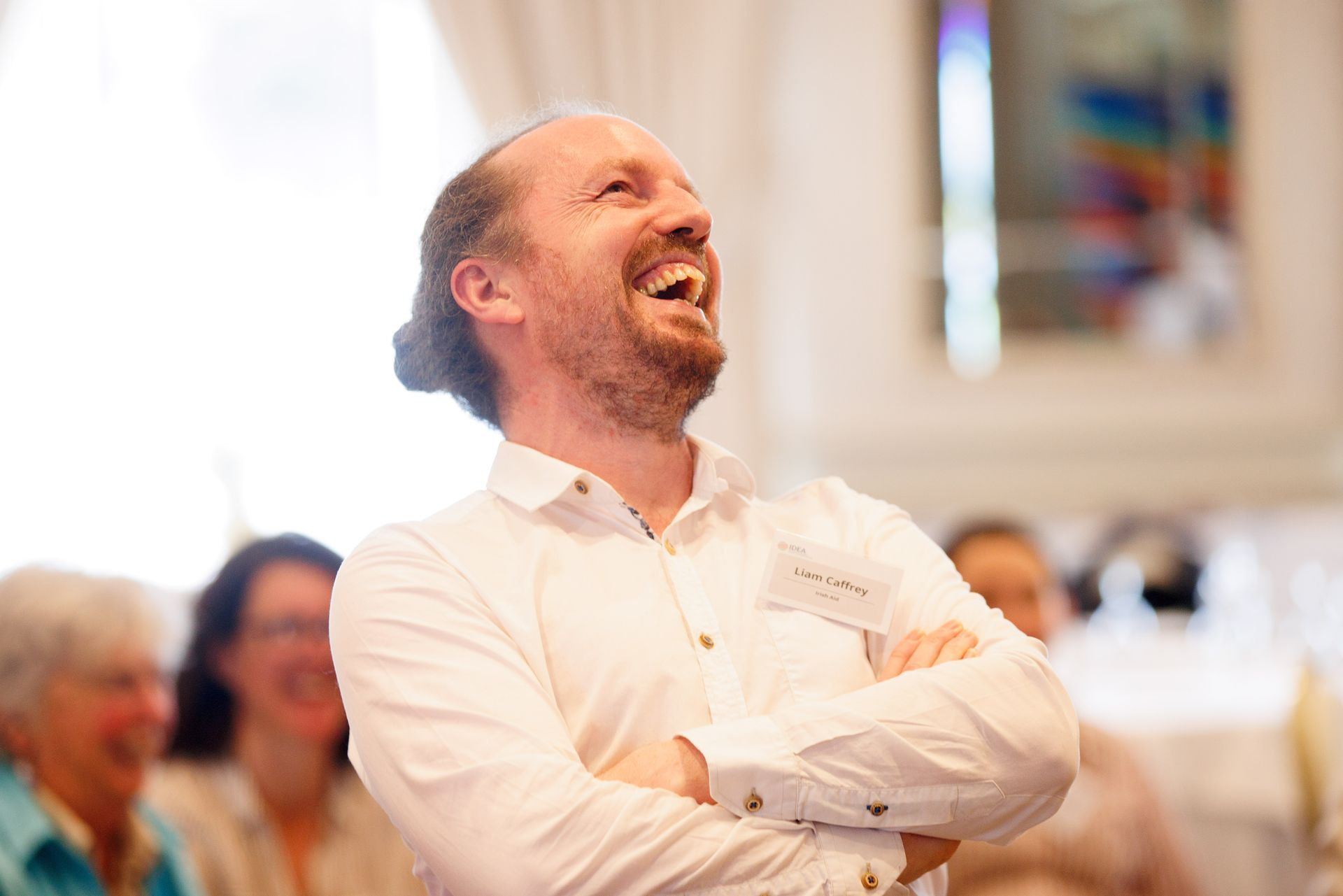
Photo By: David Laird and Tom Maher
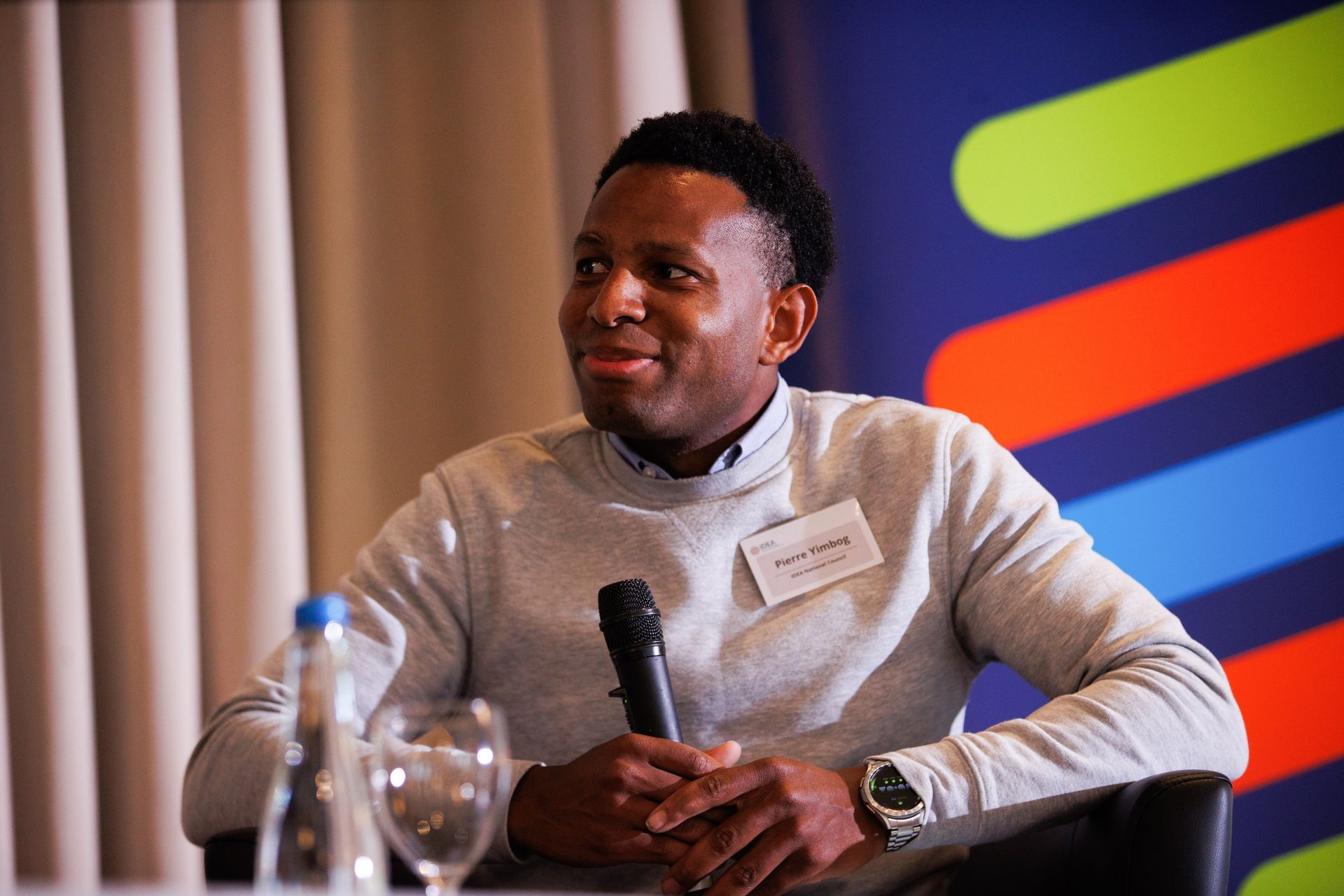
Photo By: David Laird and Tom Maher
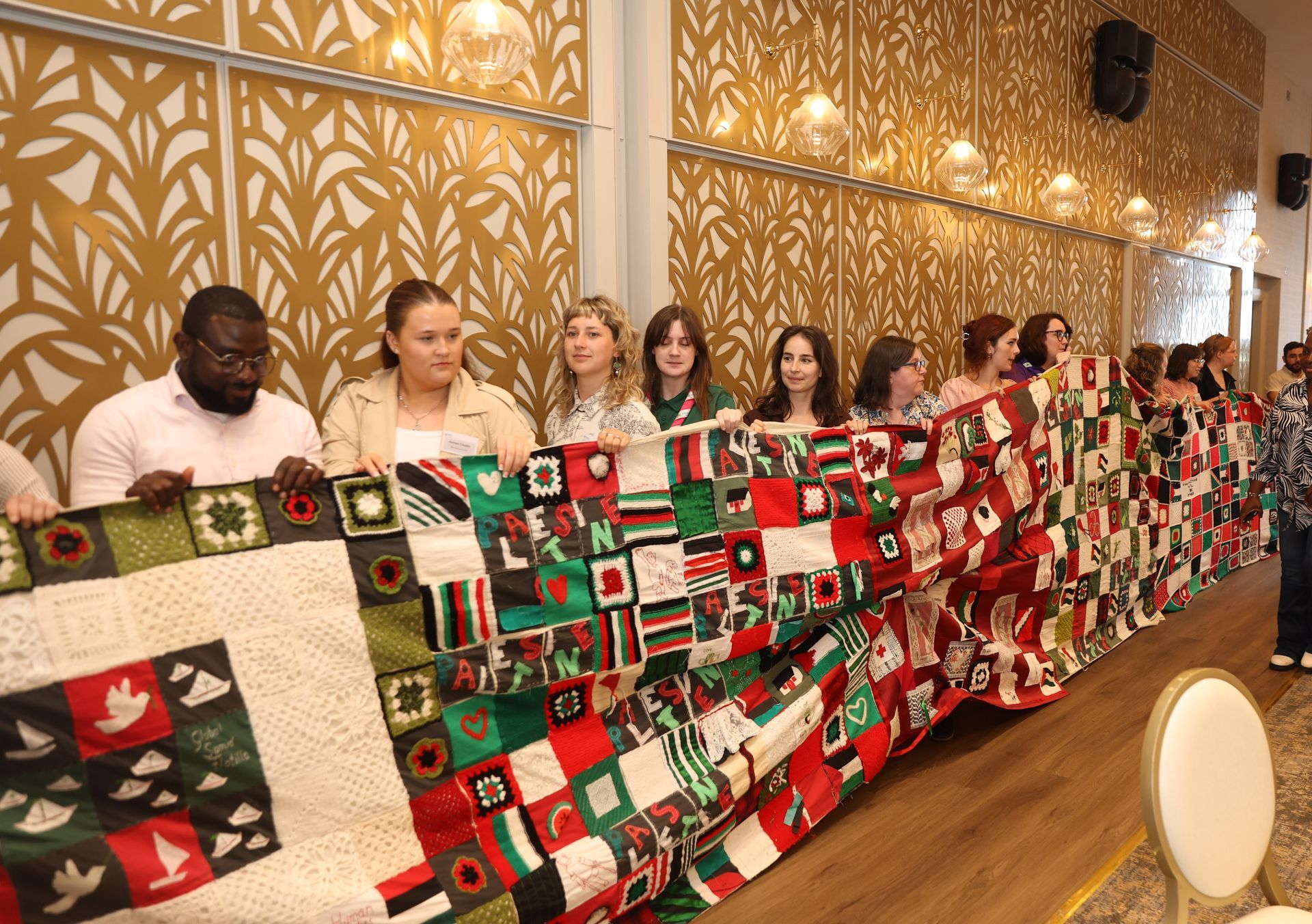
Photo By: David Laird and Tom Maher
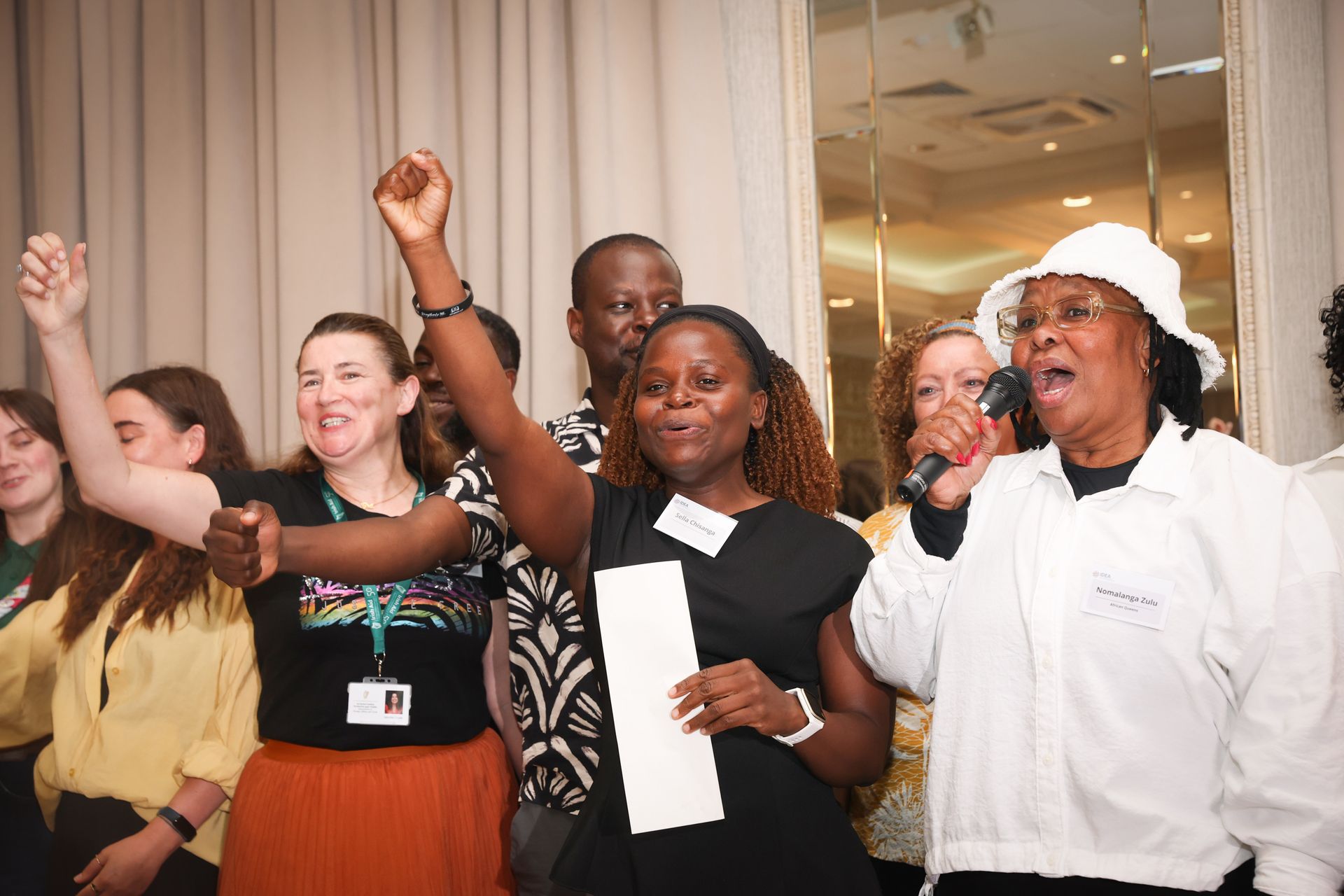
Photo By: David Laird and Tom Maher
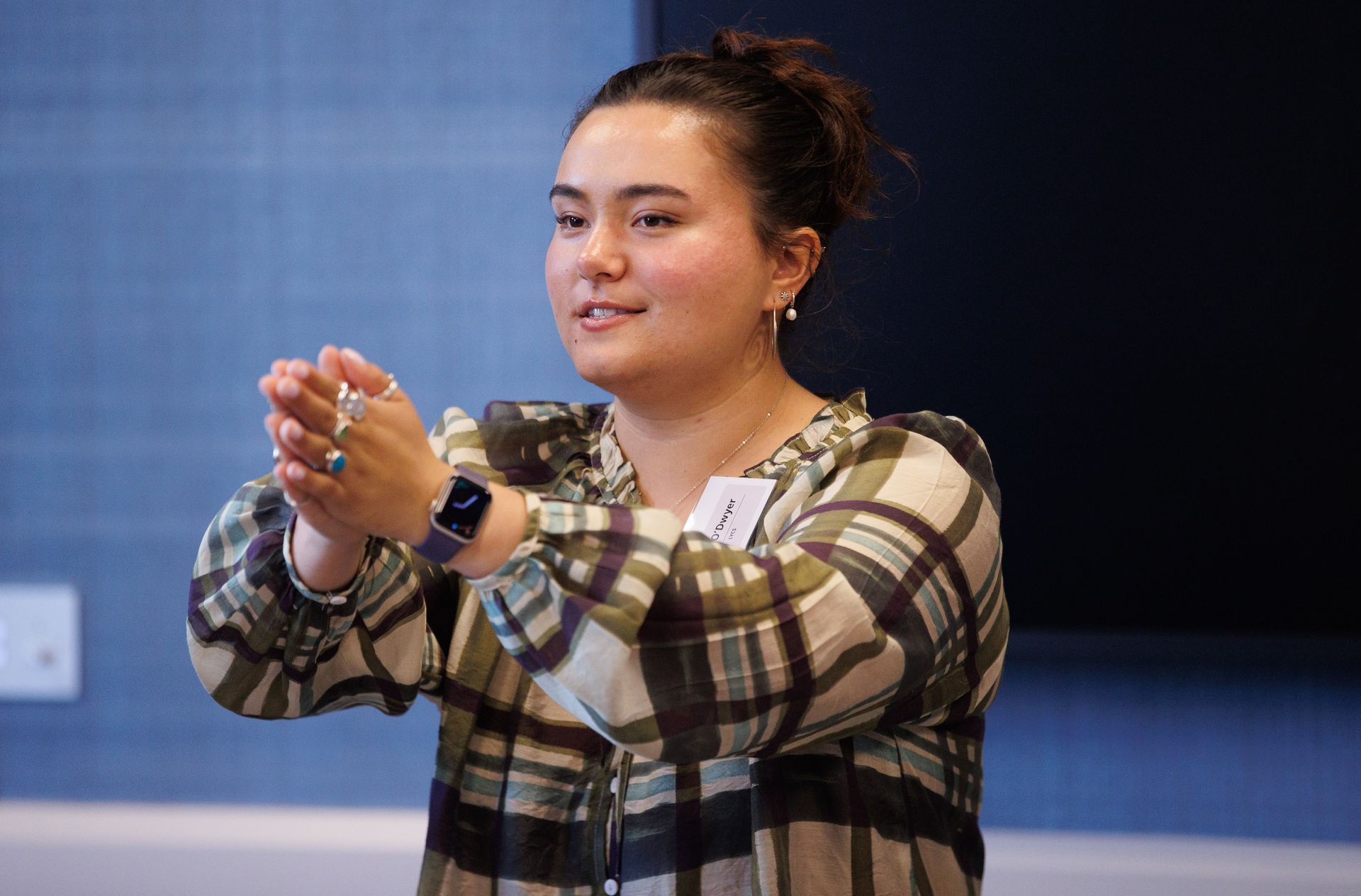
Photo By: David Laird and Tom Maher
Photo By: David Laird and Tom Maher
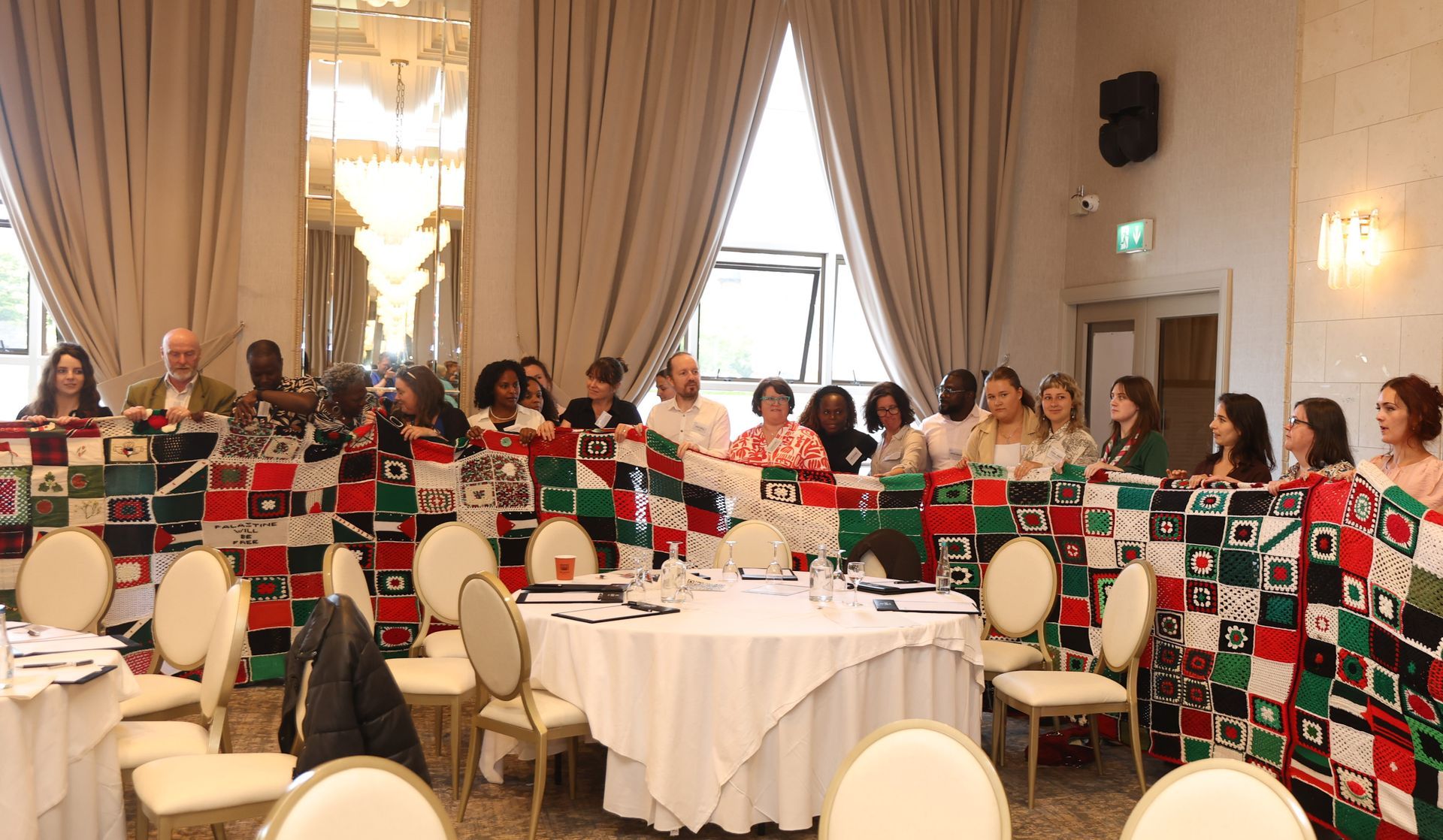
Photo By: David Laird and Tom Maher
Find out more about the Speakers & Agenda here!