
Date: Tuesday 01 December, 10.00am – 4.00pm Location: Richmond Barracks, Inchicore, Dublin 8, D08 YY05 IDEA is looking forward to welcoming all members of the Code of Good Practice for Development Education to our next Code network meeting on Tuesday 1 December, in Richmond Barracks in Inchicore, Dublin. There are places for two representatives, staff, volunteers, etc., from each Code member. One of the commitments in joining the Code is to contribute to the Community of Practice for this Code, including sharing successes and learning with other Code members and attending at least one of two Code network meetings annually. If you have questions, please contact code@ideaonline.ie.

Explore research on Global North-South partnerships in Global Citizenship Education. Join us in shaping equitable educational practices.

IDEA seeks a consultant to analyze pilot data for the GCE tool. Apply by October 6 with your CV & proposal.
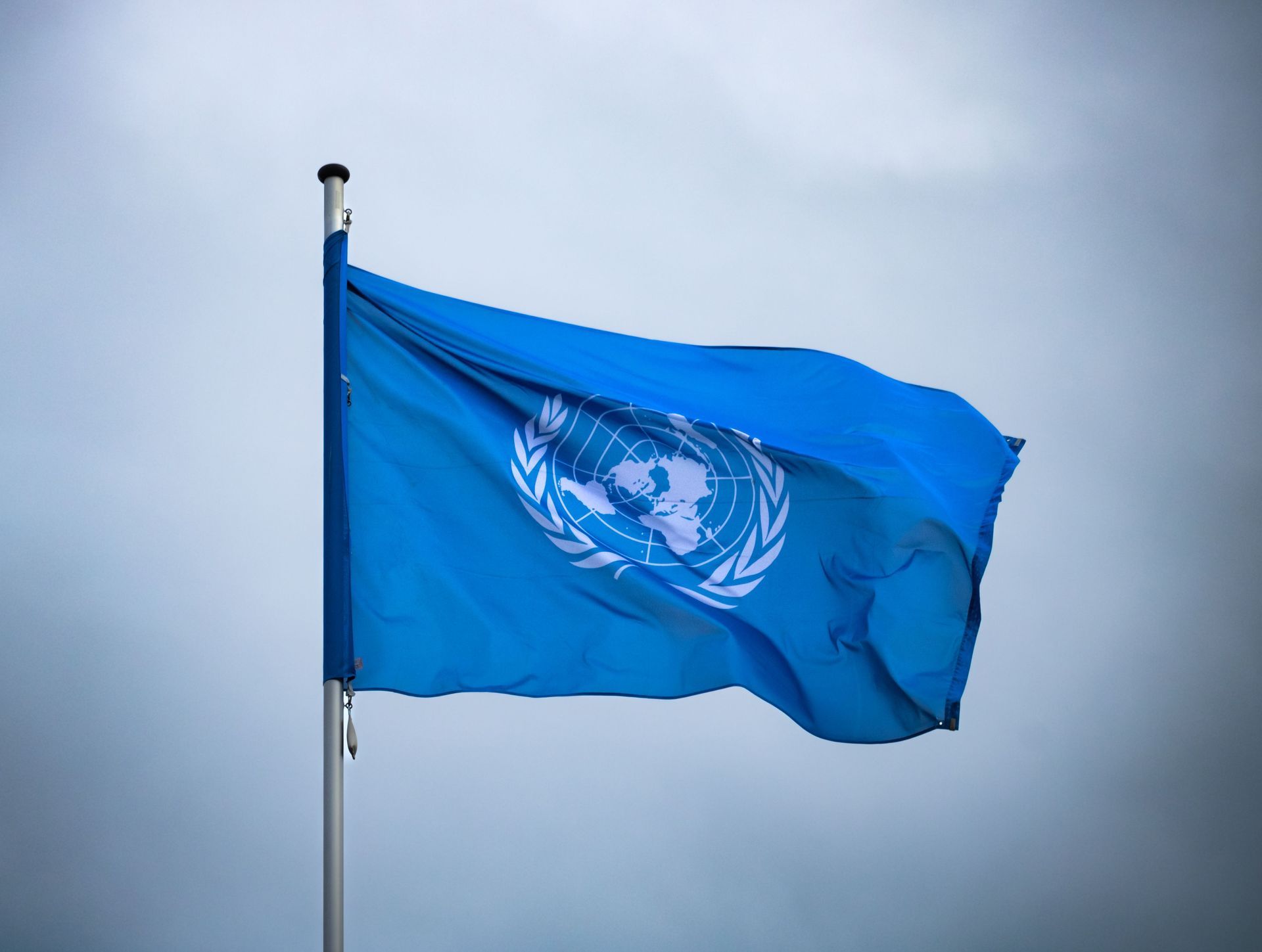
IDEA, Afri, & Talamh Beo call for action on UNDROP renewal. Support rural rights & sustainable food systems. Join us in advocating today!

Join us on October 14 to discuss economic alternatives in GCE. Register now for insights on neoliberal critiques!

Join us on September 22 for the Innovation Showcase Lunch. Share innovative ideas for Global Citizenship Education with fellow members.

IDEA urges the Irish government to expedite student visas for Gazan students. Take action to support their education today!
IDEA is hiring a Communications Manager to lead strategic communications & public engagement. Apply by September 17 to make an impact!

Apply for a research consultancy on Global North-South partnerships in GCE. Deadline: August 13, 2026. Budget: €6,000.

Budget 2027 comes at a time of significant global uncertainty and intensifying global and local challenges.